

 By Dr. Joseph Wiley, Lewis County Health Officer
While respiratory viral illnesses are “on the rise” (‘tis the season), we are also seeing cases of the bacterial respiratory infection pertussis, better known as whooping cough. For those working in a hospital or clinic, it is a timely reminder that this illness can look ordinary at first, become anything but ordinary later, and poses a particularly serious risk to infants.
Pertussis in Lewis County and Washington
As of October 24, 2026, Lewis County has reported less than ten confirmed or probable cases of pertussis. We had 17 cases in all of 2025, up from 12 in 2024. Statewide, 709 cases had been reported by October 24 this year, compared with 2,004 cases by the same point last year. Washington recorded 2,196 total cases in 2025 and 2,293 in 2024; while from 2014 through 2023, the annual average was 502. After two years of sharply increased activity, the trend appears to be moderating this year, but the disease has certainly not dropped to previous levels.
 What is pertussis?
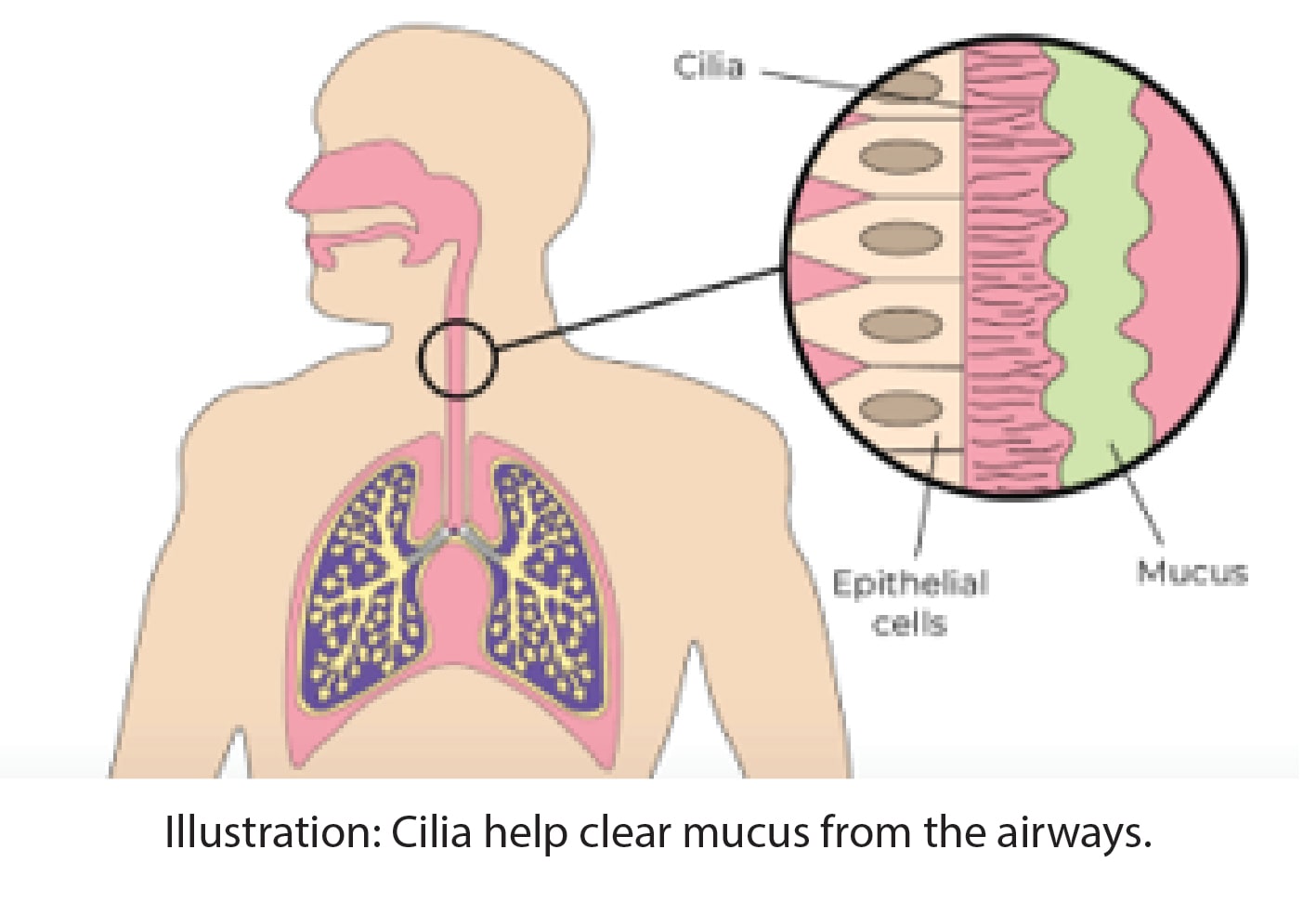
Pertussis is caused by the bacterium Bordetella pertussis and spreads through respiratory droplets and secretions. At the onset, a family may have no reason to think the illness is more than a common cold. A runny nose and mild symptoms are followed, in susceptible people, by a very different picture. The bacteria attach to the respiratory tract and produce toxins that wipe out the ciliated lining of the airways. Those tiny, hair-like cilia normally move mucus and debris up and out of the bronchi and trachea. Without the airway cilia, mucus and debris accumulate and a forceful cough becomes the airway’s only method of clearing it out. Humans are the only known hosts for this infection.
Course of illness
Following an incubation period, the patient enters the catarrhal, or runny-nose, phase and then the paroxysmal coughing phase. Patients can appear perfectly well between bouts of coughing. They are infectious early in the illness, often before pertussis is suspected. Without effective treatment, contagiousness can continue for about three weeks after coughing begins.
In older children and adolescents, the classic cough can be a prolonged, staccato fit, with little opportunity to take a breath until the patient gasps or makes the characteristic “whoop.” Then the staccato coughing can begin all over again. It can be a whole-body event, with vomiting, mucus draining from the mouth and nose, and even broken blood vessels in the eyes. Severe bouts may cause chest-wall injury and, rarely, fractured ribs or hernias. The cough can persist for up to three months.
The greatest concern, however, is an infant under one year of age. An infant may not have the classic whoop—or much cough at all—but may feed poorly or suddenly stop breathing (apnea). The resulting drop in oxygen can lead to seizures, brain injury, or death. That is why recognizing possible pertussis, especially in a household with a young infant, matters so much. Adolescents and adults who have either a history of immunization or previous illness, with waning immunity, something that occurs over time, can get a milder case, with perhaps only a three-week cough that is less impressive, and not suspect the underlying illness. Still, they can be contagious to others who are at risk for the infection.
Treatment and why timing matters
Once the prolonged cough is established, antibiotics often do little to shorten it. The cilia have already been stripped away, and it takes time for new cilia to reconstitute. A person can continue coughing for weeks or months even after effective treatment has sterilized their airway, making them no longer contagious. Completing antibiotics will eliminate the bacteria and stops the risk of transmission. Azithromycin is a commonly used five-day regimen; the agent and timing should follow current clinical guidance and patient-specific considerations.
Early recognition makes the biggest difference. If treatment begins before the severe coughing phase, it will likely shorten the course of illness. If pertussis is suspected, testing and appropriate treatment should not be delayed unnecessarily while waiting for a classic whoop to appear.
Immunization supports prevention and can help decrease risk in early infancy
Vaccination remains our best protection against severe pertussis and limiting its spread. DTaP significantly protects young children against diphtheria, tetanus, and pertussis, with doses routinely given at 2, 4, and 6 months, 15–18 months, and 4–6 years. Because of waning immunity from previous immunization or even having the infection in the past, a Tdap booster is recommended for 11-year-olds and throughout adulthood at 10-year intervals. But, even then, on occasion, a breakthrough infection with mild to moderate symptoms can present itself, making it unlikely to completely eradicate pertussis and prevent recurrences.
A particularly important recommendation is giving Tdap during each pregnancy, generally between 27 and 36 weeks gestation. This increases a mom’s antibodies so they can cross the placenta to the baby and help protect the newborn during those first vulnerable months before the infant has completed the early vaccine series. OB-GYN, family medicine, and pediatricians caring for pregnant moms, new parents, and infants have a valuable opportunity to reinforce this message.
Close contacts and infection control
Limiting the spread of pertussis means identifying cases promptly, treating them, and early treatment of exposed contacts. Post-exposure prophylaxis (PEP) is especially important for household contacts and for those at high risk of severe disease. When a case is identified in the hospital or clinic, those who had close contact with them, regardless of vaccination status or history of prior illness, should receive PEP. Prompt action can prevent additional cases and help protect vulnerable infants.
At home, isolation can be difficult, particularly with small children. Handwashing and cough etiquette help, but they do not replace limiting respiratory exposure where possible. People with pertussis should stay away from work, school, daycare, and gatherings until they have completed five full days of effective antibiotics, or for 21 days after cough onset if untreated. In hospitals and clinics, prompt recognition, appropriate droplet precautions, and timely coordination with infection prevention and public health are equally important.
The diagnosis depends on thinking of it
One obstacle is that pertussis is not always obvious in an examination room. A patient may not cough at all during the visit, despite severe spells at home. Without a history of exposure or a clinician who considers pertussis, the illness may be labeled “bronchitis.” A missed diagnosis means delayed testing, delayed treatment, and potentially more exposure for family members, coworkers, patients and the community.
Testing often involves making an appointment and then a send-out specimen, adding time before results are available. Taking the patient’s history seriously—including descriptions from the parents’ or caregivers’ reports of intermittent coughing fits—can shorten that delay of diagnosis and intervention. For hospital staff, this is where bedside observation, clinical suspicion, and communication across care teams can make a real difference.
Recovery and a final thought
The good news is that the cilia do grow back. In the meantime, the cough may persist long after a patient is no longer infectious. Physical activity, laughter or a deep breath may trigger coughing jags. That lingering cough can draw anxious looks from others, so it helps to explain the expected course while encouraging good cough etiquette.
I want our community, including those of us working in healthcare, to remain alert to pertussis—not alarmed, but attentive. Recognizing the early symptoms, protecting infants, maintaining vaccination, and acting quickly when exposure is identified, can make a meaningful difference for our patients, each family, and the most vulnerable among us.
Data: Washington State annual pertussis summaries (2024, 2025) and weekly pertussis update (2026)
Source of Diagram: https://blended-learning.resources.wjec.co.uk/en/mfw25-26_25-2/1/4


