

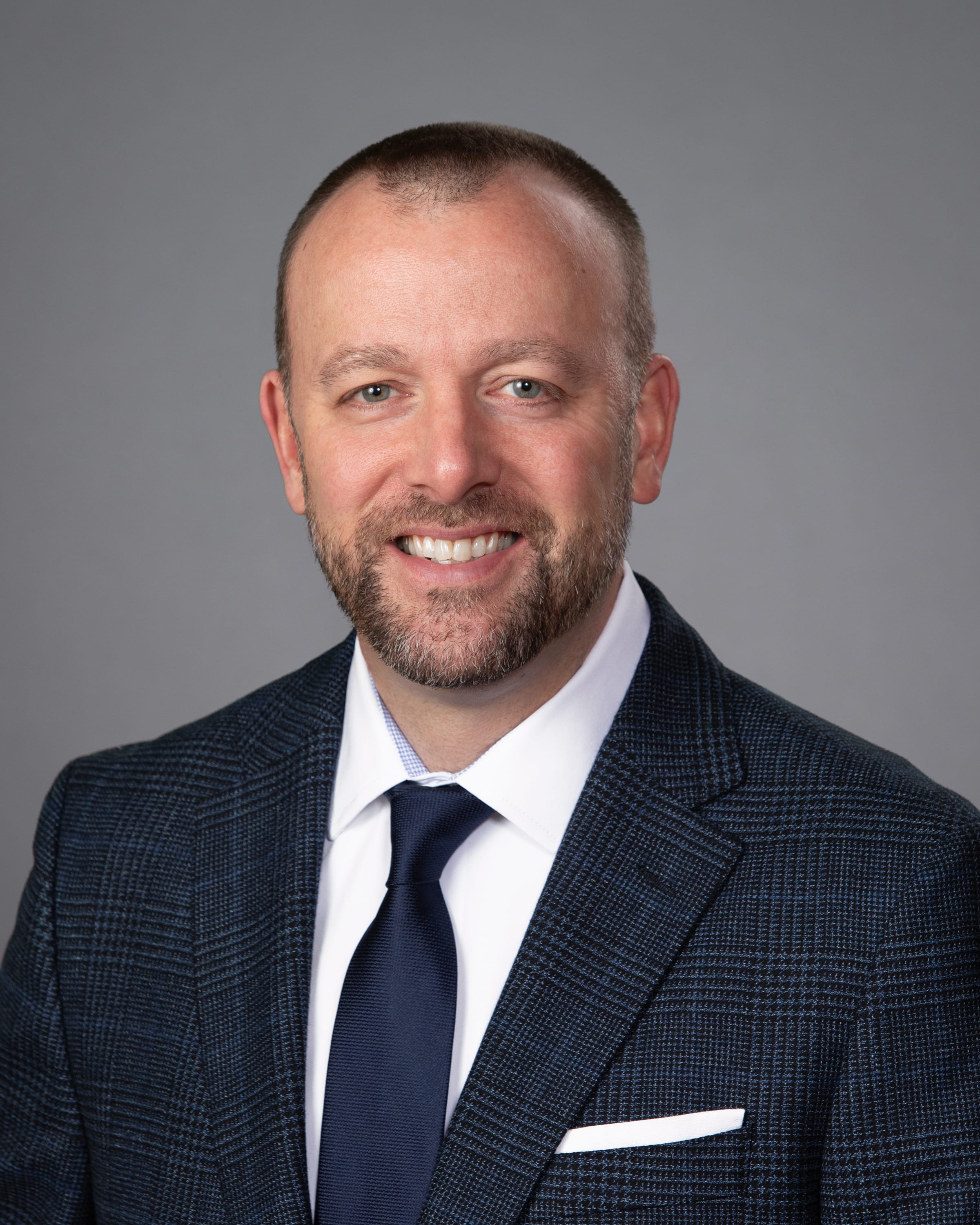
 SOUTH PUGET SOUND – For medical staff caring for patients with cancer, blood disorders or complex infusion needs, Ryan Moore wants the first call to be local. The Providence Swedish Cancer Institute in South Puget Sound can see patients quickly, and 100% of triage is completed by a provider, helping ensure each patient is directed to the right level of care from the start.
Recent growth in services is adding to that local strength. The team continues to support complex infusions and blood disorder care, while expanding advanced treatment options such as bispecific therapy, with loading doses now happening at the Lacey clinic. It is one more way Providence Swedish Cancer Institute is bringing specialized care closer to patients in South Puget Sound.
For Ryan Moore, Senior Director of Oncology for South Puget Sound, the work is both highly personal and deeply rooted in community. His greatest hope for the future of cancer care is simple and powerful: to continue building services that allow patients to receive the treatment, technology and support they need close to home.
As the South Puget Sound population grows and ages, the need for local, high-quality oncology care will only continue to increase. “Cancer is not going away,” Ryan said, “and that makes Providence Swedish Cancer Institute’s commitment to this region even more important.” He takes great pride in the team serving neighbors across our community and in helping patients stay connected to their families, jobs and support systems while receiving care.
Growing trust in local, state-of-the-art care
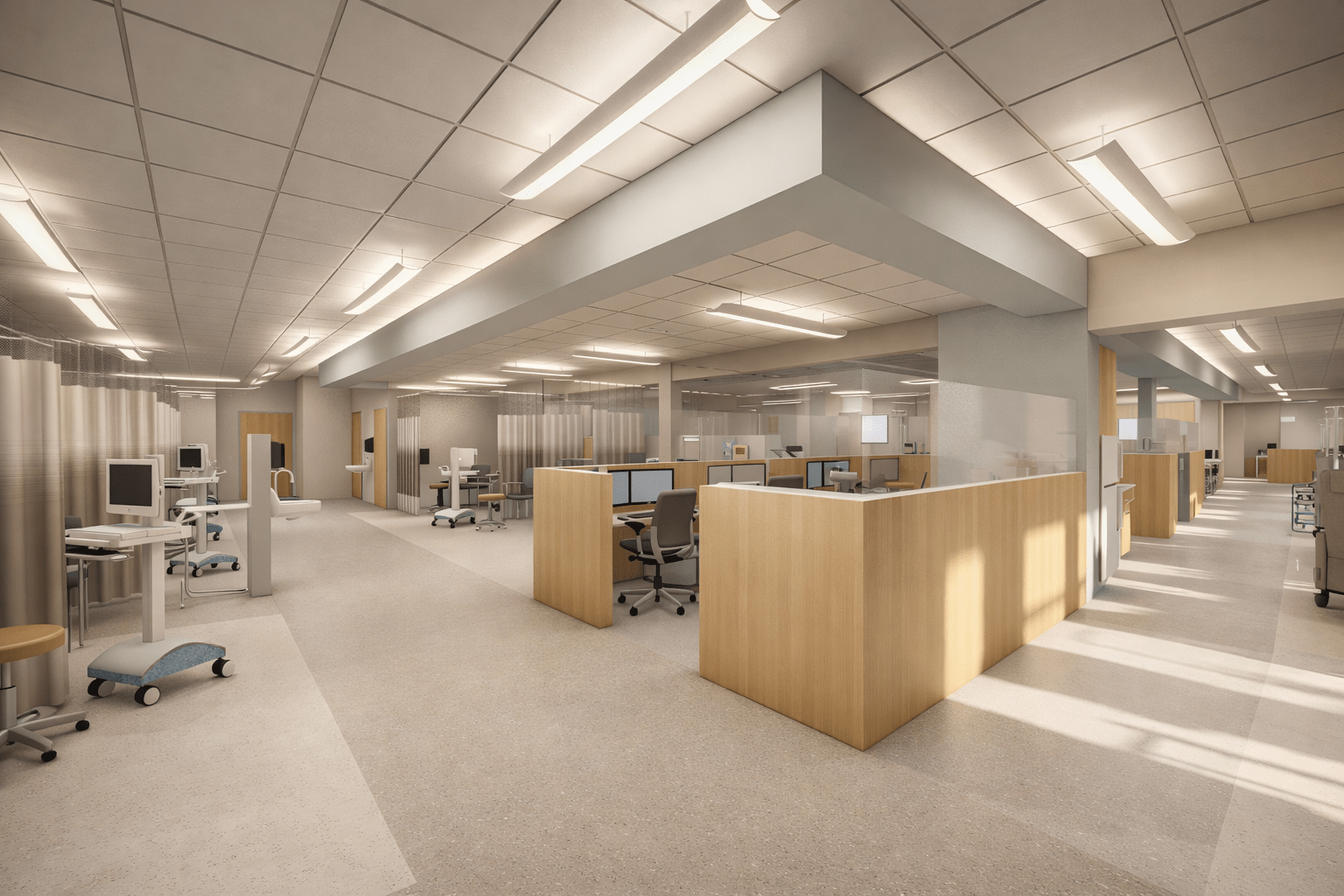
Ryan is especially excited about the planned Lacey cancer clinic expansion, which will add infusion capacity, oncology exam rooms, expanded compounding capabilities and equipment upgrades to support growing demand. See more about the clinic expansion here. Permits are being submitted to the City of Lacey and Department of Health, with construction tentatively planned for November 2026 through February 2028.
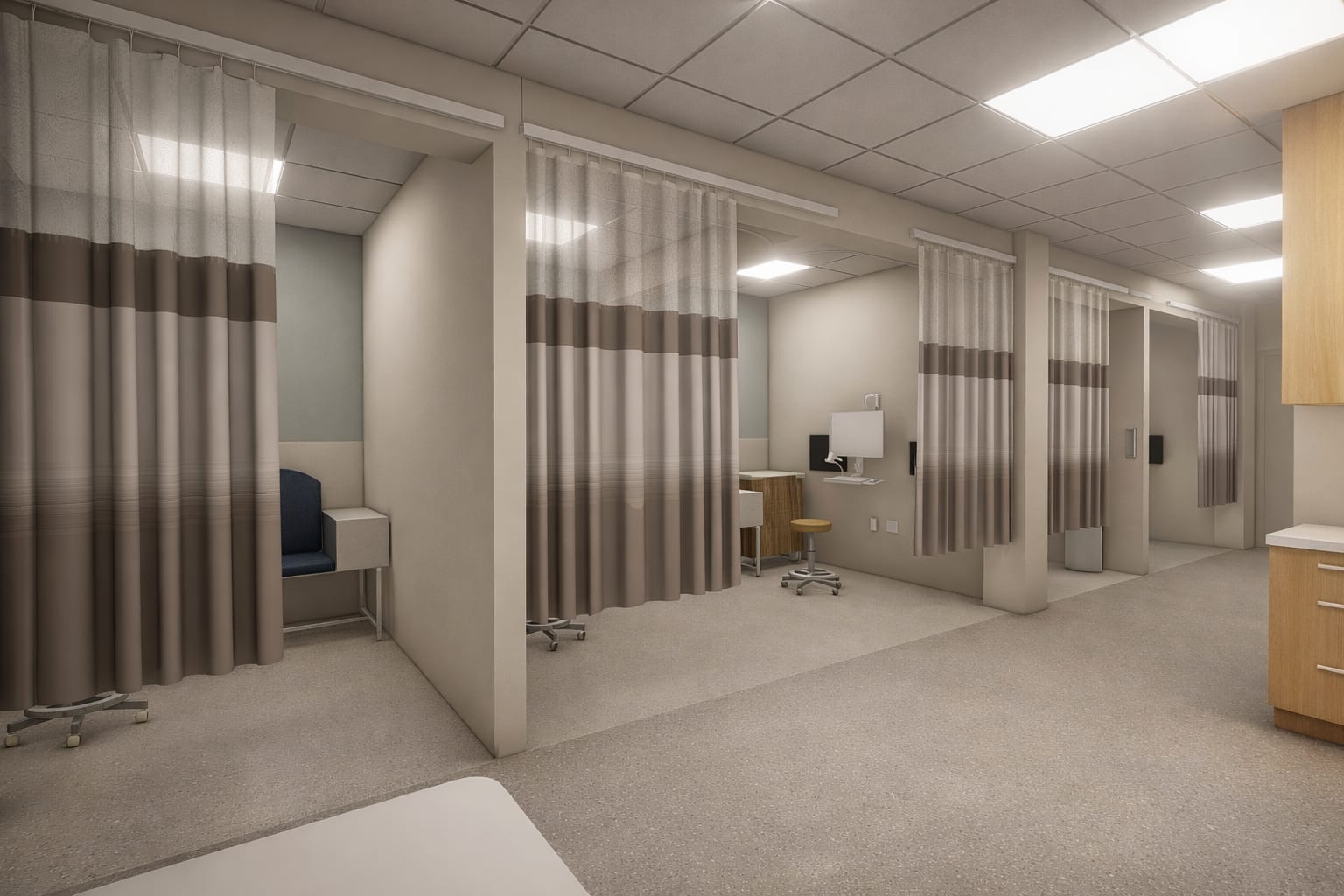
That investment reflects a broader goal: helping patients receive state-of-the-art cancer care in their own community. Ryan said he feels confident Providence is continuing to earn local trust by offering advanced care and technology close to home, while also connecting patients to expertise across the Providence Swedish Cancer Institute when services are needed outside South Puget Sound.
Pride in the caregivers who make the difference
While technology, access and treatment advances are essential, Ryan said what makes the greatest impression is the way caregivers interact with patients every day. The care they show matters. The kindness, patience and attention they bring to each encounter make a real difference for people walking through one of the most difficult experiences of their lives.
“We are caring for our neighbors,” Ryan said. “Our caregivers have giant hearts. That is what keeps me going in this work.”
Better treatments and a more hopeful outlook
Ryan sees many reasons for optimism. Treatments are becoming more tolerable, effective and personalized, creating a much better outlook for many patients. Locally, South Puget Sound is expanding advanced options, including Pluvicto for metastatic prostate cancer at Providence Centralia Hospital, development of a Lutathera program for neuroendocrine cancer, and radiation therapy for osteoarthritis now active in Lacey, Centralia and Aberdeen.
Collaboration across the larger institute continues to bring meaningful benefits to local patients, including access to specialized expertise, clinical trials, pharmaceutical partnerships and newer treatments without always requiring travel to Seattle. Teams are also exploring ways to formally integrate cancer research across North, Central and South Puget Sound and are working to align the Swedish and South Puget Sound cancer registries.
Cross-collaboration has also helped teams solve problems together, share expertise and create more seamless pathways for patients who need highly specialized care.
For Ryan, that is the heart of the work: combining advanced treatment, local access and compassionate care so patients can receive exceptional cancer services from people who know and care about this community.


