

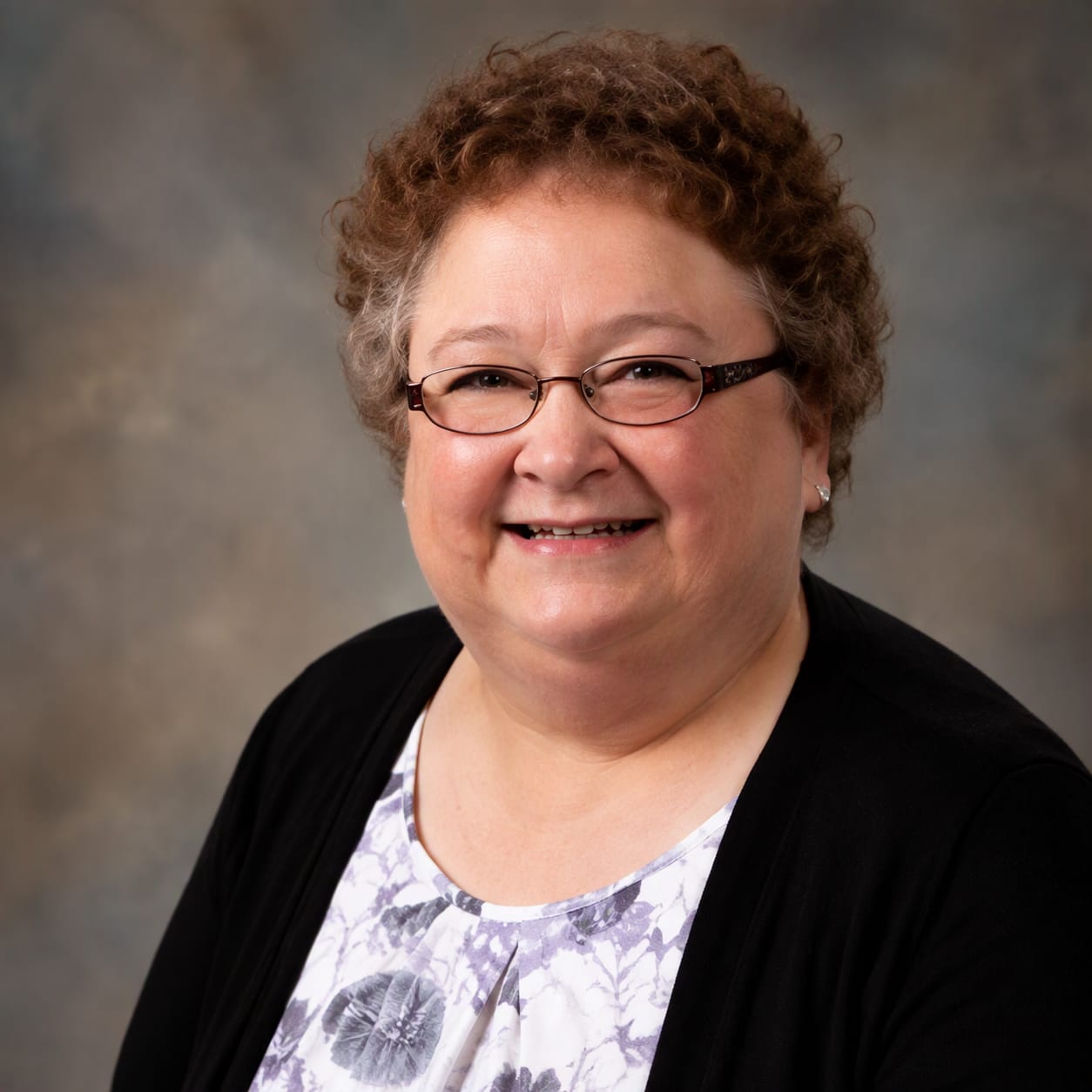
The first weeks with a newborn bring plenty of questions, especially during cold and flu season. Dr. Joyce Gilbert, medical director of the Seattle Children’s Hospitalist team at Providence St. Peter Hospital, says understanding why newborns are more vulnerable can help parents make informed choices about protecting them.
Why newborns are more vulnerable
“The baby’s immune system is very immature and cannot protect it from exposure to germs,” Dr. Gilbert explains. Before birth, babies receive protection from their mother’s immune system. After birth, their own immune systems gradually develop, becoming better able to respond to common germs over the first several months. Premature babies can be especially vulnerable and may need additional precautions after leaving the NICU.
That’s why Dr. Gilbert says her team helps families think about “how do we introduce this baby into a family and protect this baby from all the germs out there.”
A little prevention goes a long way
Start with simple precautions. “The thing that we as hospitalists say over and over and over again is everybody wash their hands,” Dr. Gilbert says. Ask visitors to wash their hands before holding your baby, stay away when they’re sick and be up to date on recommended vaccines, including protection against whooping cough.
Ultimately, families can decide what precautions make sense for them. “Parents get to decide what’s right for their family. They make the rules,” Dr. Gilbert says.
For practical ways to protect your newborn from winter illness, read our tips from Providence St. Peter nurse Teresa Miller.
Ask about RSV protection. Talk with your OB-GYN or baby's pediatrician about RSV prevention. Depending on whether the mother received an RSV vaccine and other factors, an infant may be eligible for preventive antibodies that can help protect against RSV during their first season.
What if your baby does get sick?
Even when families take precautions, babies can still get sick.
That's why Dr. Gilbert recommends that parents become familiar with their baby's usual patterns. Changes in those patterns can sometimes be an early indication that something isn't right.
For example, if your baby usually wakes about every two hours to feed and one day goes four or five hours without waking, Dr. Gilbert says that significant change could be a reason to pay closer attention. Changes in feeding, sleep or behavior, or a new or concerning rash, are also reasons to consider checking in with your baby's health care provider.
Respiratory symptoms are especially important to notice. Seek medical advice if your baby suddenly:
-
Is breathing harder or faster than usual
-
Develops a concerning cough
-
Is unusually sleepy or difficult to wake
-
Isn't feeding normally
-
Has vomiting that is different from normal spit-up
-
Develops a concerning rash
-
Seems significantly different from their normal behavior
As Dr. Gilbert puts it, pay attention to "things that are different than the norm.”
Fever is especially important in a young baby
Of all the symptoms parents should know about, Dr. Gilbert emphasizes fever. “A fever over 100.4 is considered a fever in a baby less than a month of age,” she says. “They have to be seen immediately because that can be a sign of a serious infection.”
According to Dr. Gilbert, parents should seek medical care right away for a baby younger than one month with a temperature of over 100.4°F, whether that's through their primary care provider, an urgent care center or an emergency department.
She also stresses the importance of getting an accurate temperature. Her team sends NICU babies home with a simple battery-operated thermometer for taking their temperature under the armpit. She advises against relying on forehead scanners for newborns because they may not provide an accurate reading.
When in doubt, trust your instincts
You know your baby best, so pay attention when something doesn’t feel right. “I tell parents, trust your gut,” Dr. Gilbert says. “I know you've never done this before but trust your instincts and trust your gut.”
If your baby seems different or you’re worried, don’t hesitate to call your pediatrician. “If you're worried, your pediatrician wants to hear about it,” she says. Sometimes the answer will be that everything is OK. Other times, getting your baby checked could be important. Most importantly, don't talk yourself out of seeking medical advice because you're worried about overreacting.
Learn more about the Providence St. Peter Pediatric Inpatient Unit.
About Dr. Joyce Gilbert
Dr. Joyce Gilbert is the medical director of the Seattle Children's Hospitalist team at Providence St. Peter Hospital in Olympia. Her interest in pediatrics began at an early age and led her to the University of Iowa, where she completed her undergraduate and medical education as well as her pediatric residency. Dr. Gilbert takes a collaborative approach to caring for children, recognizing that parents bring essential knowledge about their child and family while she brings her medical expertise to the conversation. She believes working together as a team helps families and their care providers find the best path forward. Dr. Gilbert enjoys caring for children of all ages and has a particular passion for caring for newborns in the NICU.

