

Bringing home a newborn can make even experienced parents wonder if they’re doing enough to keep their baby healthy. Add winter respiratory virus season, holiday gatherings and eager friends and relatives who want to meet the baby, and it can be easy to feel overwhelmed.
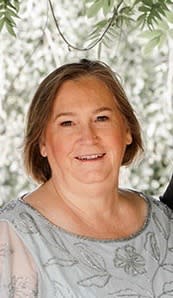 Teresa Miller, a pediatric nurse at Providence St. Peter Hospital, has spent over thirty-seven years caring for children and their families. Her advice to parents of newborns is reassuring: You can't eliminate every possible risk. Focus on the steps you can take, especially during your baby’s first three months.
Here are some practical ways to help protect your newborn while still enjoying this special time.
1. It's OK to keep visits small or say "not yet"
It’s understandable that grandparents, relatives, and friends want to meet a new baby. But particularly during winter, parents should feel comfortable limiting how many people are around their newborn. During your baby’s first three months, limiting visitors is one of the simplest ways to reduce their exposure to illness. This can be especially important if your baby was born early.
“I think the biggest thing for me is that it’s okay to not have everybody see the baby,” Teresa says. “It’s okay to wait till the baby’s at least three months old.”
Setting limits can be difficult, especially around the holidays, but it’s OK to set boundaries and remind friends and family there will be plenty of time for visits later.
2. Only invite visitors who are healthy
Ask family and friends to stay home if they’re sick, think they might be getting sick, or have recently been around someone who is ill. Colds, flu, and COVID-19 are already going around, and kids often bring germs home from school and daycare. Waiting a few weeks to meet the baby is not too much to ask visitors.
3. Wash hands first, and no kisses
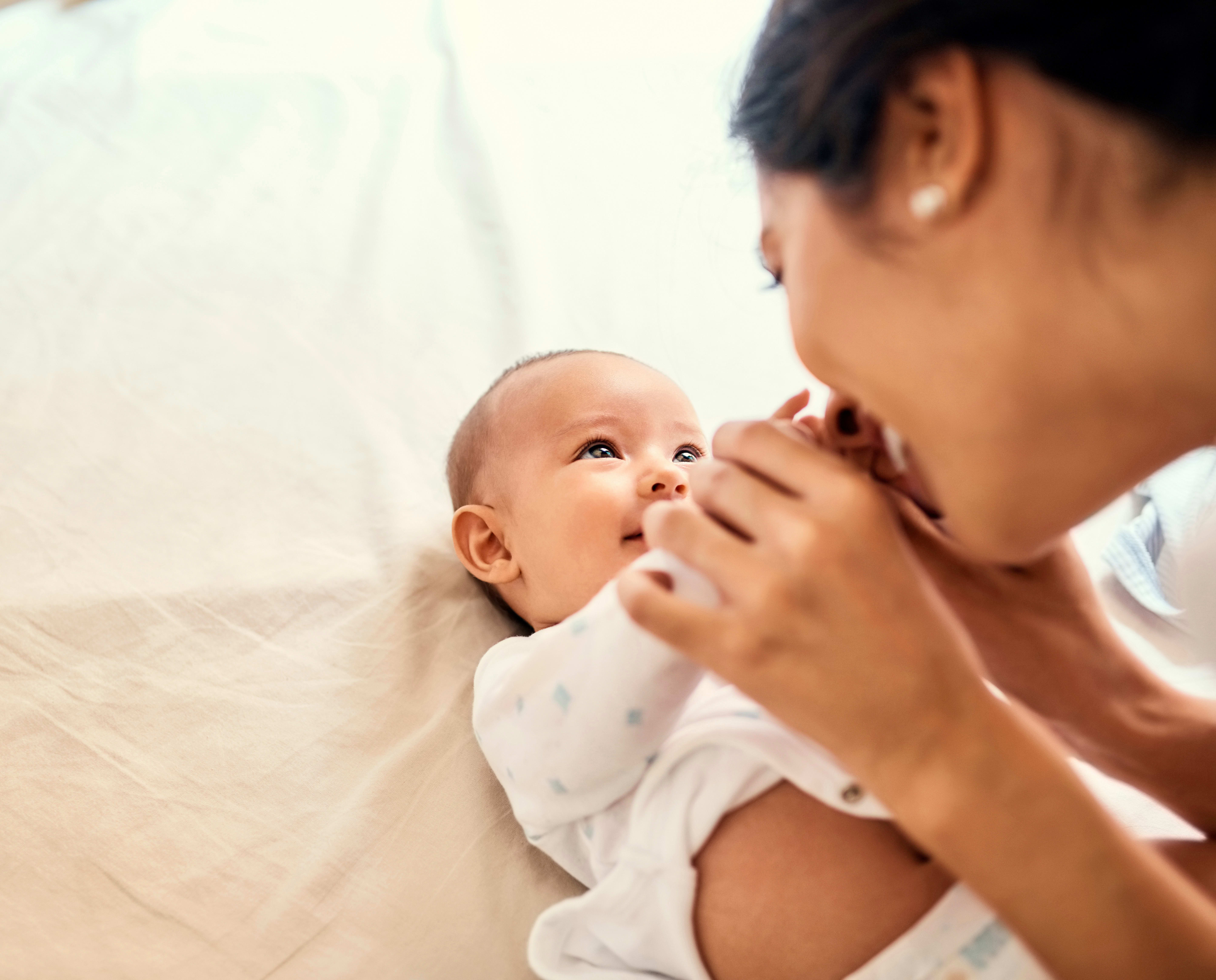
Anyone holding your newborn should wash their hands thoroughly first. And as tempting as newborn kisses can be, ask visitors to hold off.
“Hand washing is really important,” Teresa says. “Hand washing and not kissing babies.” That includes baby's hands. “Their hands are in their mouth all the time and touching their face, giving germs a way in” she explains. It's a simple rule for visitors to remember: clean hands, no kisses.
4. Ask guests to be up to date on vaccines
Encourage the people who will be around your newborn to stay current on recommended vaccines, including Tdap, which protects against whooping cough, as well as seasonal flu and COVID-19 vaccines.
“Parents should feel entitled to tell visitors they have to have their vaccinations to come in and see the baby,” Teresa says.
She is especially passionate about pertussis, or whooping cough, because of what she has seen during her pediatric career. “I personally have seen extremely sick newborns with pertussis,” she says. Talk with your own health care provider about which vaccines are recommended for parents, caregivers and visitors, and ask your baby's pediatrician about RSV prevention options for your newborn.
5. Think twice about travel and crowds
The holidays can mean crowded stores, busy airports and full planes, all of which can expose a newborn to more people and germs. Teresa recommends keeping outings to a minimum during those early months when there’s another option.
“If somebody can stay home with the baby and you do the shopping, that would be better.” Teresa suggests. Consider dividing errands between caregivers, using curbside pickup or shopping online.
Holiday travel may also be worth postponing. “You don’t need to travel with a newborn,” Teresa says, noting that if a young baby becomes sick while you're away, you may find yourself seeking medical care far from home. She understands that staying home can be disappointing but keeping celebrations smaller for now doesn't mean missing out. There will be plenty of opportunities to travel down the road, and a video call can help your family feel included in the meantime.
6. Most importantly, be kind to yourself
Perhaps Teresa’s most important advice isn't about germs, crowds or travel at all. It's about letting go of the idea that good parenting means being able to prevent every illness.
“You can only do your best,” she says. “You do your best to feed your kid right, to keep them clothed, to keep them warm. You do your best to keep them free of infection.”
Viruses are part of the world, and even the most careful families won't be able to prevent every illness. For new parents who are already carrying plenty of responsibility, it’s an important reminder. Take reasonable precautions. Ask for help when something doesn't seem right and don't let the fear of doing something wrong overshadow this special time with your baby.
Learn more about the Providence St. Peter Pediatric Inpatient Unit.
For information about symptoms to look out for with a sick baby, read this blog with the medical director of the Seattle Children's Hospitalist team at Providence St. Peter Hospital, Dr. Joyce Gilbert.
About Teresa Miller
Teresa Miller is a pediatric nurse at Providence St. Peter Hospital in Olympia with over three decades of experience caring for children and supporting their families. Throughout her career, she has been passionate about helping parents feel informed and confident in caring for their children, from the newborn stage and beyond. She is expecting her first grandchild this winter.

