 By Dr. Penelope Goode, Medical Director, Providence St. Peter Emergency Department
As we continue to navigate the ever-changing landscape of substance use and its impact on patient care, I wanted to share important insights from the recent American Academy of Emergency Medicine conference I attended. During this event, discussions centered on the emergence of medetomidine — an adulterant increasingly found in fentanyl — which is raising new concerns for emergency departments across the country.
What is medetomidine?
Medetomidine is a potent veterinary sedative, typically used to calm and anesthetize animals. Its presence in the illicit drug supply is alarming due to its potential to intensify the effects of opioids and complicate clinical presentations. Unlike previous adulterants, medetomidine poses unique challenges that require our attention and preparedness.
Current trends: geographic spread and detection
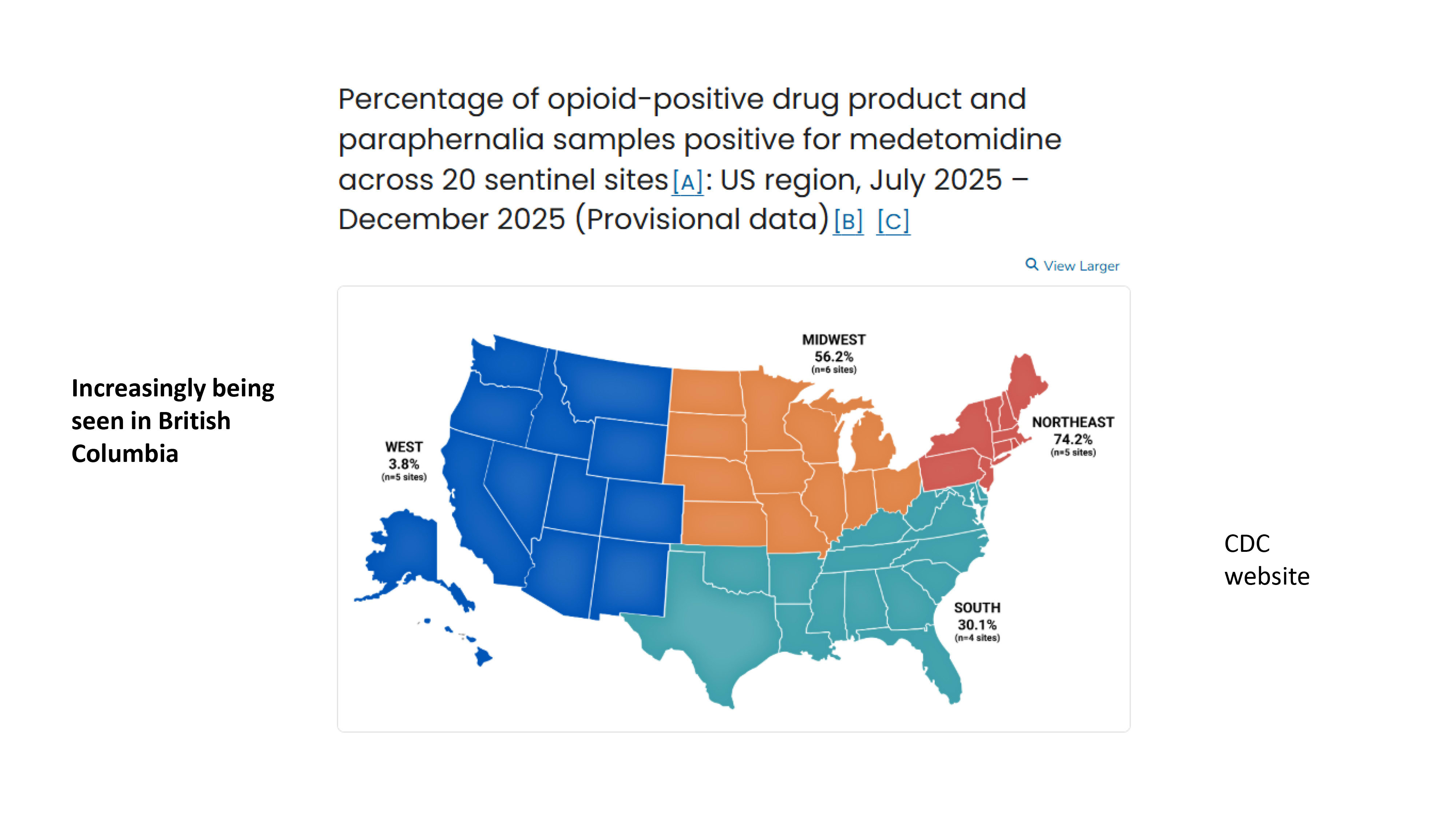
While medetomidine has been primarily detected on the east coast, recent data shows it has already been identified in the Washington drug supply. This suggests that we may soon face cases involving this sedative, and it is crucial that we begin preparing now.
Clinical concerns: intoxication and withdrawal management
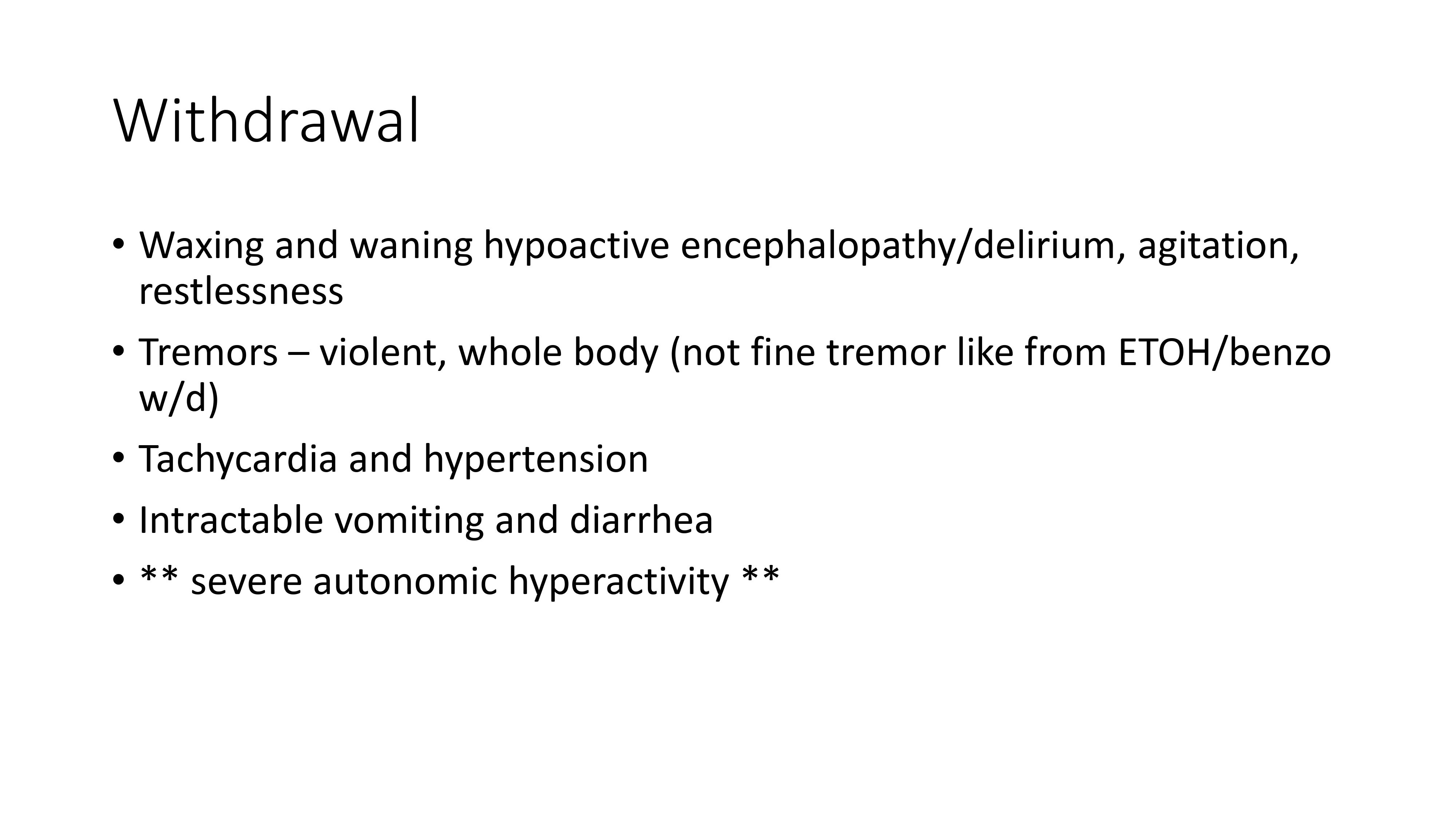
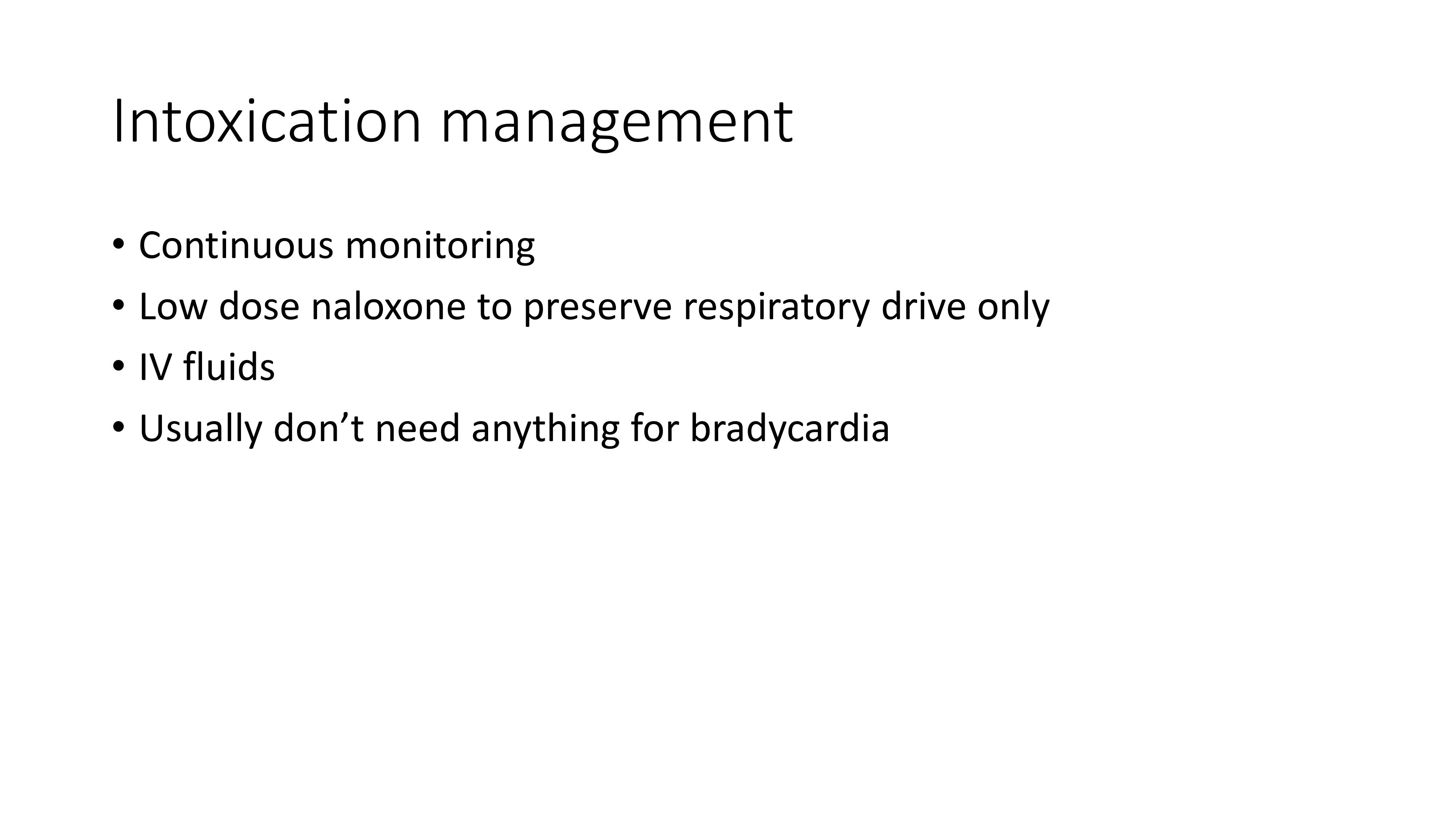
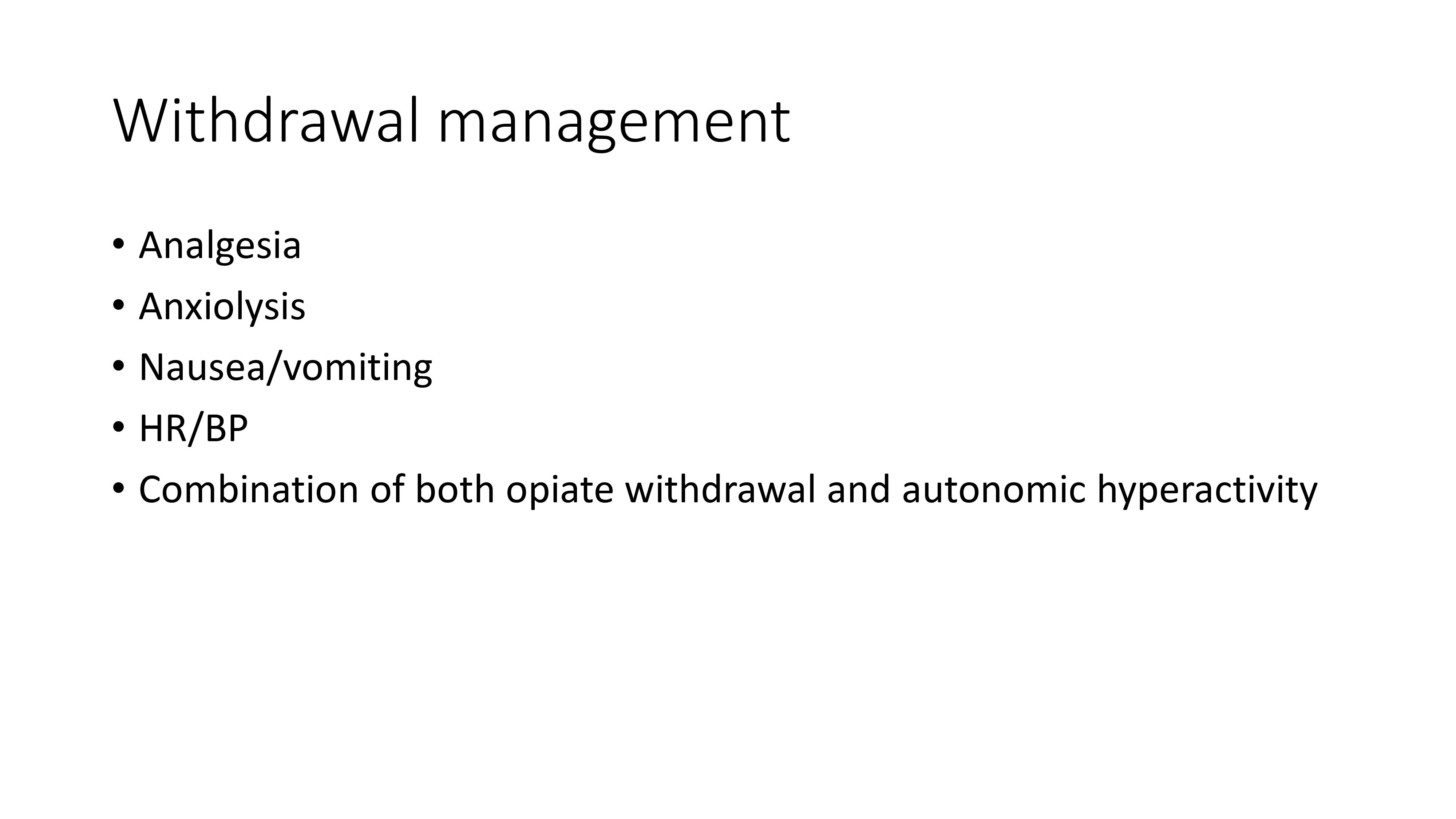
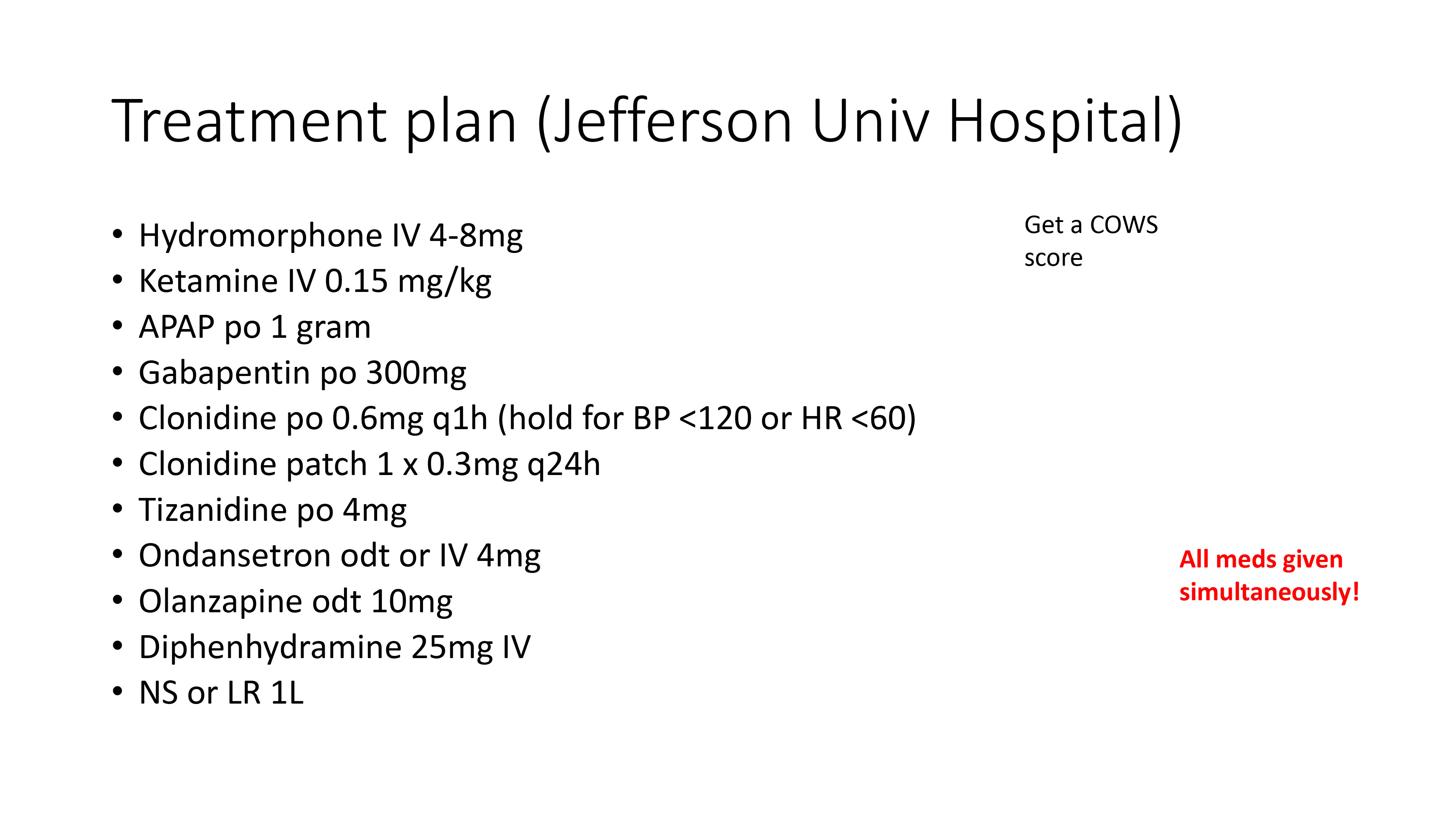
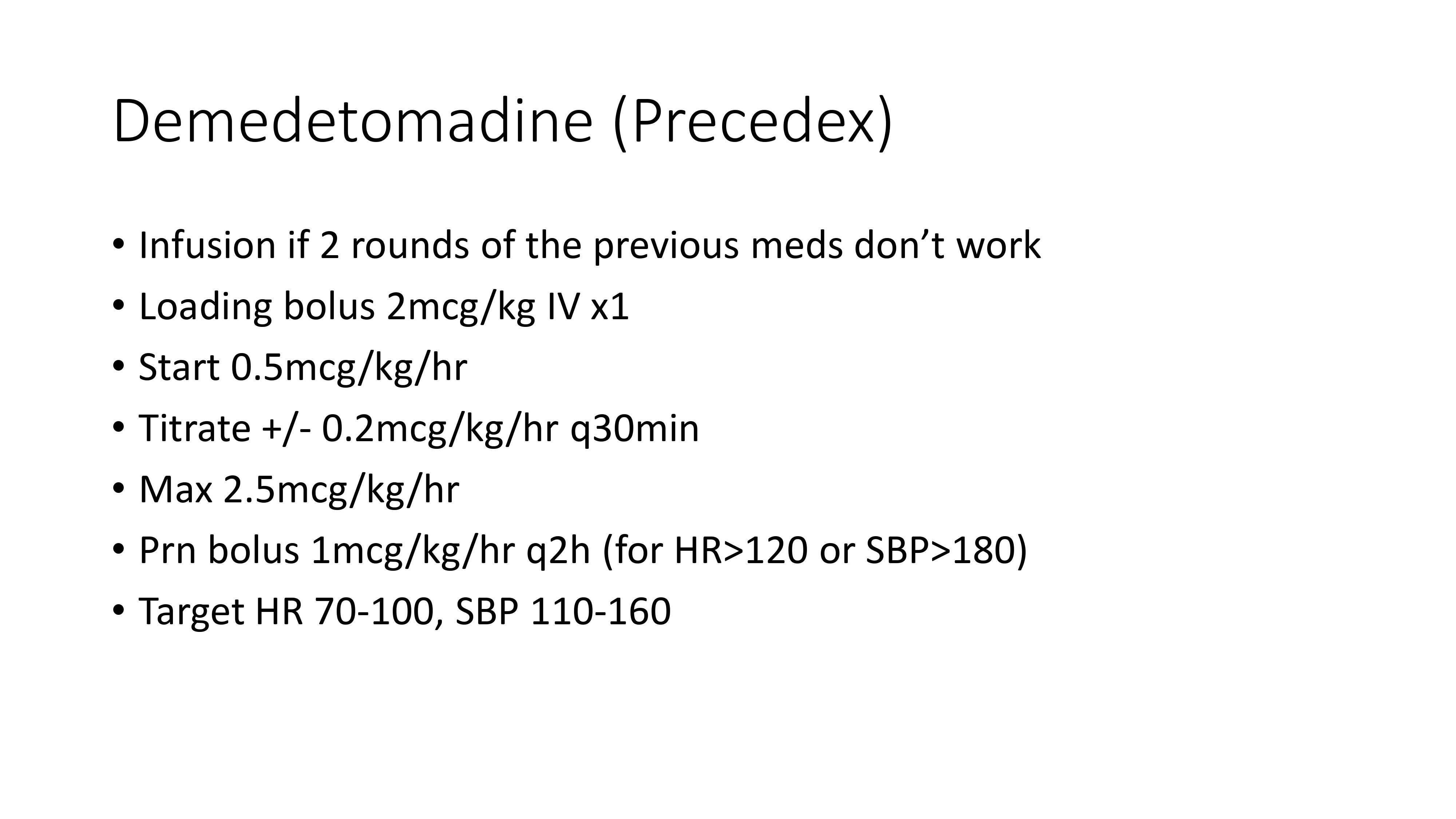
When combined with fentanyl, medetomidine can lead to severe intoxication, presenting as profound sedation, respiratory depression, and often atypical and severe withdrawal symptoms. Patients affected may require larger-than-expected medication doses for stabilization and, in some cases, admission to the ICU for extended monitoring and supportive care. Recognizing these presentations early is key to effective treatment and patient safety.
Call to action: awareness and preparedness
I strongly encourage our medical community to familiarize themselves with medetomidine’s clinical effects and implications. Staying informed about its emergence will help us be proactive and ensure we deliver the best care to our patients. Please see the power point below I have created with more details, review relevant resources and protocols, and don’t hesitate to reach out with questions or concerns.
Together, by staying vigilant and prepared, we can respond effectively to this evolving challenge. Thank you for your dedication and commitment to patient safety.
With gratitude,
Dr. Penelope Goode
Medical Director
Providence St. Peter Emergency Department