

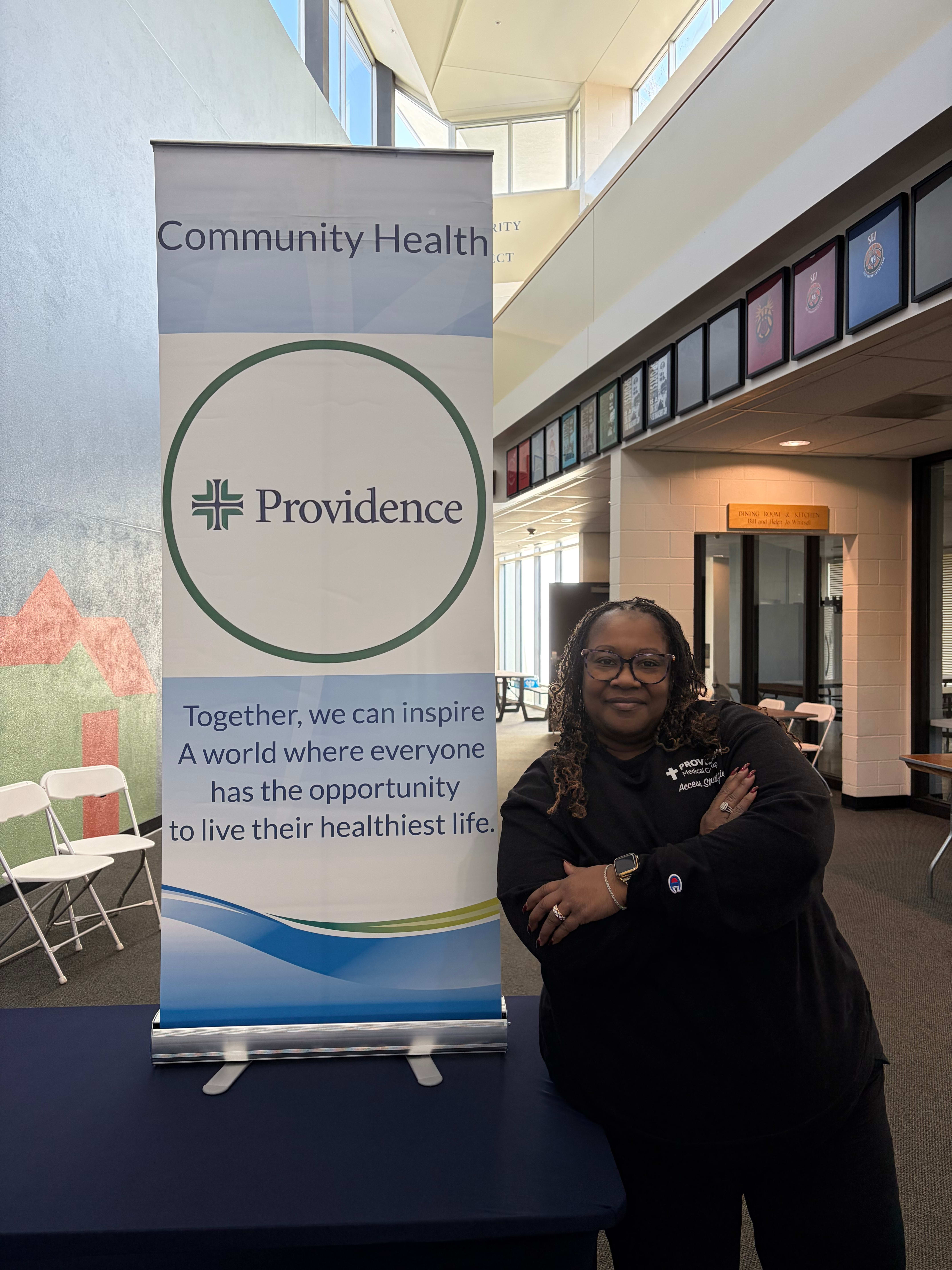
Teresa Johnson didn’t plan to become a cancer advocate. But after her longtime pastor died from kidney cancer following a delayed diagnosis, she felt called to act. Before he passed, he urged her to get the word out. Teresa took that request to heart.
“Another person should not die of cancer on our watch,” she said.
That conviction is rooted not only in loss, but in lived experience. Teresa has seen cancer impact generations of her family and community and has witnessed how the health care system often fails Black women.
VOICES listens to Black women
According to the American Cancer Society (ACS), Black women are less likely than White women to be diagnosed with cancer, yet more likely to die from it once diagnosed.
Teresa points to several factors behind this disparity: historical mistrust of the medical system, symptoms that are minimized or dismissed, fear and stigma around cancer, and gaps in research that fail to fully represent Black women.
“When the data that guides treatment doesn’t include you, the care you receive may not work as well for you,” Teresa said.
That’s the gap VOICES of Black Women is designed to close.
Future generations will benefit
Launched in May 2024 by the ACS, VOICES of Black Women is the largest behavioral and environmental population study of cancer risk and outcomes in Black women in the United States. The study hopes to enroll at least 100,000 Black women between the ages of 25 and 55 who have never been diagnosed with cancer.
Twice a year, eligible study participants will fill out a health history survey covering personal and family medical history, lifestyle habits and environmental factors related to their home and workplace. There’s no medication, clinical testing or treatment.
The goal is to use this data to build better prevention strategies and improve care and treatment options for Black women.
VOICES is a multi-year study, so results won’t be immediate. However, the contributions made by participants today can help reduce the incidence of cancer in the future.
Taking VOICES into our communities
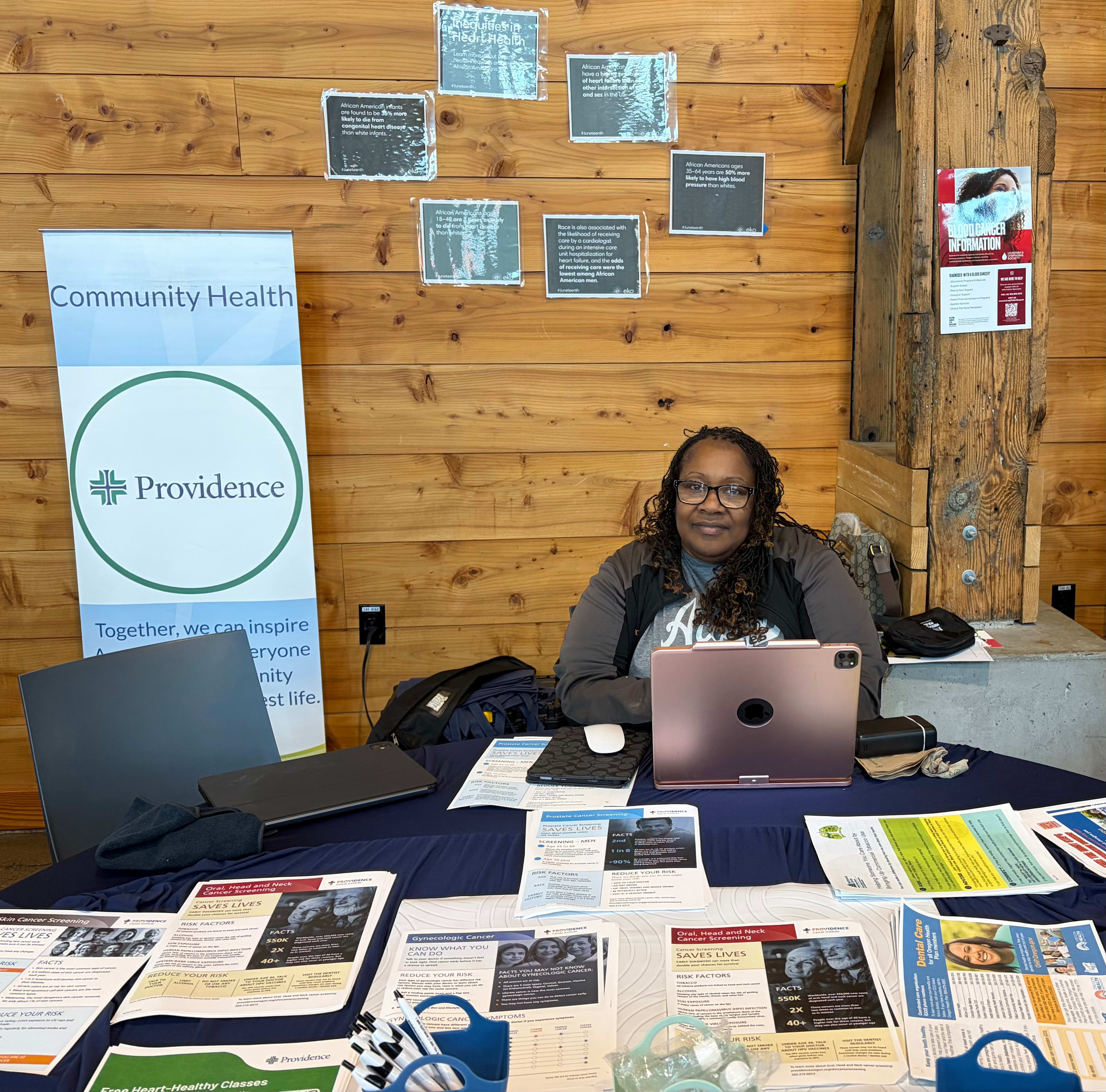 As a manager supporting community health and clinical operations with Providence Medical Group’s Population Health team in Portland, Ore., Teresa is helping share VOICES across Providence and through trusted faith-based and community-based partners.
Drawing on lessons from COVID-19 outreach, she emphasized that trust and relationship-building matter, and the right messenger can open doors to meaningful conversations. As a trusted voice in her community, Teresa sees each interaction as an opportunity to change outcomes.
“Participation matters,” she said. “When Black women share their stories and experiences, we help shape better prevention, better care and better outcomes, not just for ourselves, but for future generations.”
Help spread the word
Caregivers and members of the community can learn more about VOICES of Black Women, how to take part and spread the word by visiting voices.cancer.org, or by contacting Teresa Johnson at teresa.johnson4@providence.org.
Related news
Why patients in rural areas need access to quality clinical trials
Q&A: Colon cancer in younger adults, when to screen, symptoms and prevention
Celebrating oncology social workers: Compassion, expertise and impact


