

Clinical trials hold promise for the future of cancer treatment. But that future can feel out of reach for patients who don't live near prominent cancer centers. Providence Cancer Institute is working to close that gap by expanding access to high-quality clinical trials for patients across its care network, no matter where they live.
Trials offer early access to promising therapies, new combinations of existing medications or treatment approaches designed to reduce side effects. Without those options, patients may have fewer choices and less opportunity for personalized care. Over time, these gaps lead to differences in care that affect both quality of life and long-term survival.
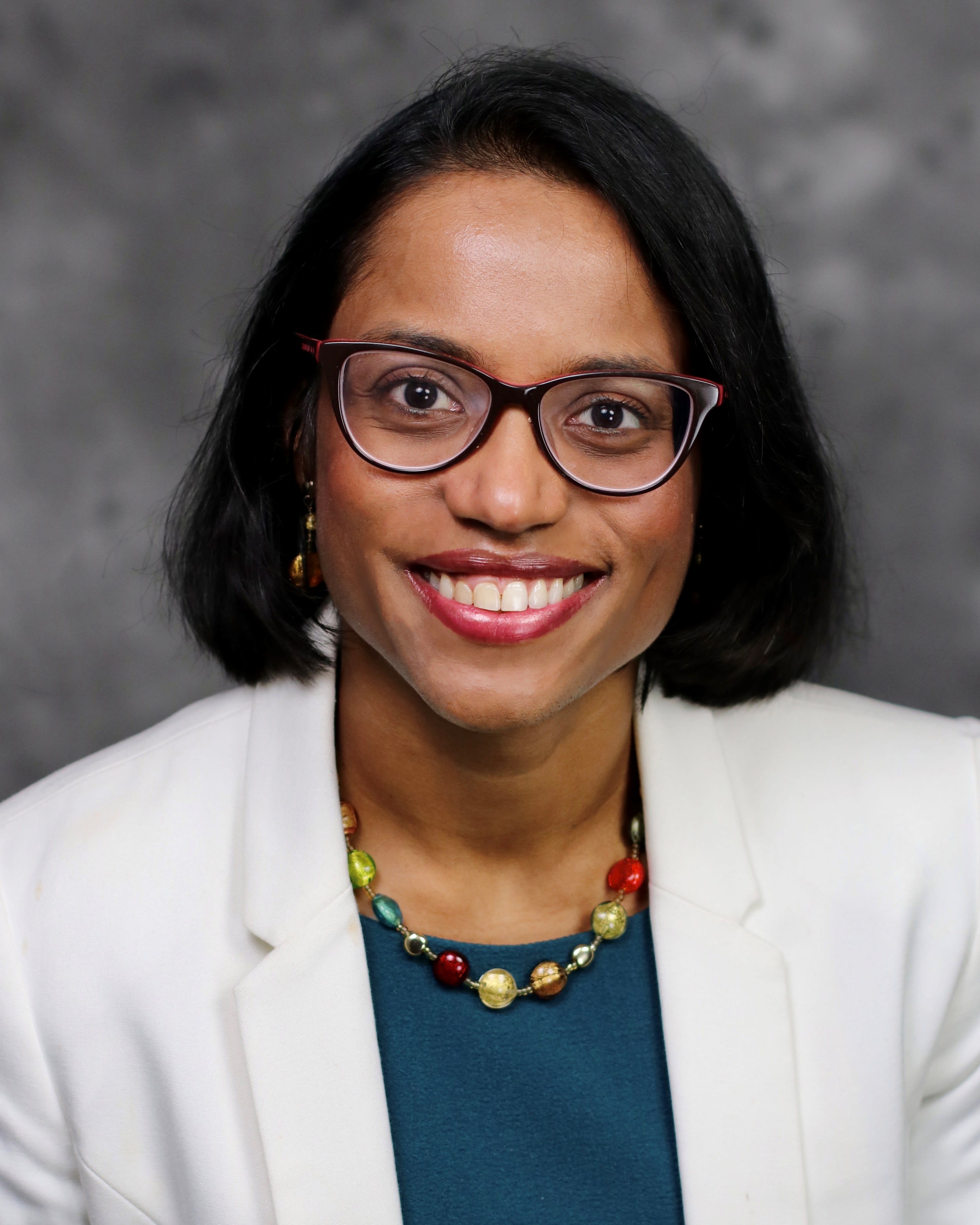
Through her leadership in the ECOG-ACRIN Cancer Research Group, an international scientific organization, Natasha Edwin, M.D., is lending her voice to the effort as an advocate for community hospitals and rural communities. Dr. Edwin is a hematologist, medical oncologist and researcher at Providence Cancer Institute.
It’s about location, and more
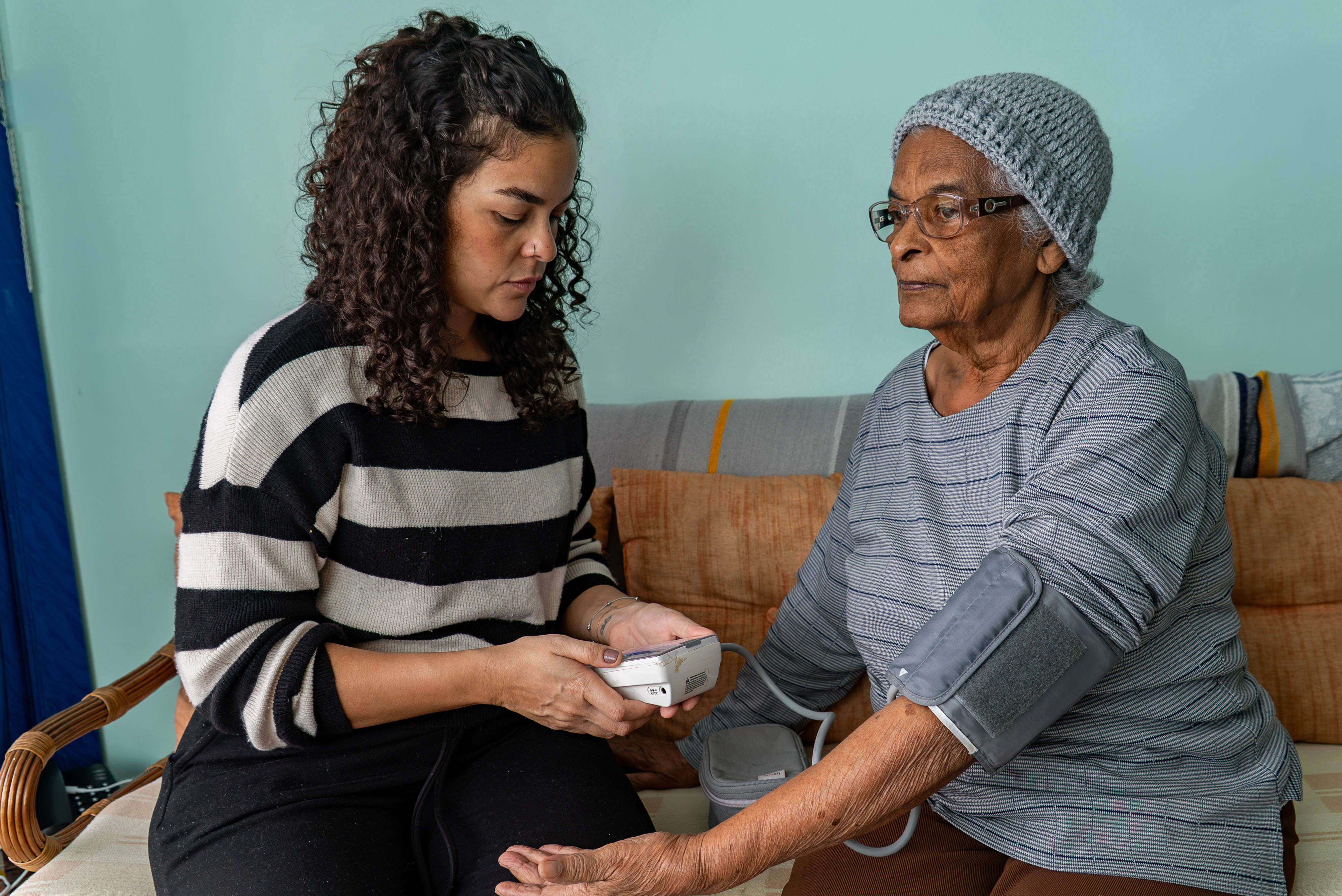
Location is only part of the challenge in providing equitable access to clinical trials. Often, community hospitals and health care facilities don’t have the specialized infrastructure needed to support certain studies. Trial requirements, such as frequent visits, complex testing or narrow eligibility criteria, can create logistical hurdles. This is especially true for patients who might need to travel long distances or whose local care teams don't have the resources to support their participation in a study.
This reality is what drives Dr. Edwin’s work with ECOG-ACRIN, one of the National Cancer Institute’s National Clinical Trials Network groups. As a community co-chair of the ECOG-ACRIN Myeloma Committee, Dr. Edwin brings the perspective of patients who live outside of academic research hubs to trial design.
When new studies are proposed, she looks at whether they can be carried out in a community setting. She considers what participation would mean for patients on a day-to-day basis, whether testing, lab work and monitor schedules are reasonable, and whether the care team has the support needed to deliver the study safely. The goal is to make clinical trial participation possible without asking patients to upend their lives, and the lives of loved ones.
Expanding cancer care for all is our mission
This approach reflects the core principle of Providence’s mission: providing equitable, compassionate and accessible care for all. By helping shape trials that work in community settings, Providence Cancer Institute is expanding access to research while ensuring that study findings reflect the real-world experiences of patients across a wide range of communities. One example is the recent expansion of clinical trials to Providence Hood River Medical Center, which now gives patients in the Columbia River Gorge access to advanced treatments closer to home.
Expanding access to high-quality trials means patients don’t have to leave their communities to receive cutting-edge care, and clinicians don't have to choose between innovation and practicality. Through leadership and advocacy, like what Dr. Edwin offers through her participation in ECOG-ACRIN, as well as collaboration at local and national levels, Providence Cancer Institute is bringing the future of cancer care closer to our communities.
Want to know more about clinical trials at Providence?
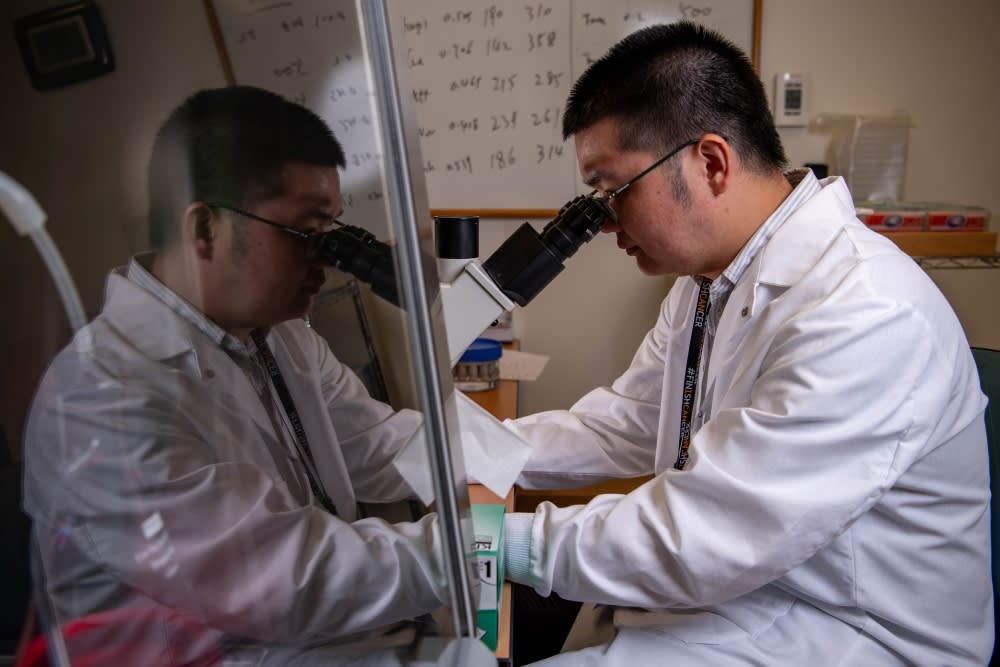
Providence Cancer Institute is one of the leading providers of cancer care in Oregon and a global leader in immuno-oncology. Through its research division, the Earle A. Chiles Research Institute, patients have access to a vast clinical trial portfolio. Learn more about our clinical trials here.
Related news
Personalizing lymphoma treatment: New study seeks better outcomes


