

SPOKANE, Wash.— Being out of breath is nothing new for 61-year-old Warner Slater. He’s an avid mountain biker who enjoys staying active in the outdoors of Colville, Washington.
But in December 2025, Slater noticed something different. He was struggling to catch his breath even while resting — something that immediately concerned him. His sister, a retired nurse, urged him to see a doctor.
At first, doctors suspected pneumonia and treated him accordingly. Slater had no history of heart problems. The medication helped initially, but once it ran out, his symptoms returned. That’s when he sought care at Providence Mount Carmel Hospital.
 At first, doctors suspected pneumonia and treated him accordingly. Slater had no history of heart problems. The medication helped initially, but once it ran out, his symptoms returned. That’s when he sought care at Providence Mount Carmel Hospital.
 During that visit, Slater had blood work done, which showed no sign of infection. Doctors quickly scheduled an echocardiogram.
“We were talking casually, and there didn’t seem to be any urgency,” Slater recalled. “The next thing I knew, the doctor said, ‘You can’t leave the hospital. I need to walk you down to the emergency department.’”
Doctors discovered Slater had a significant leak in his heart measuring 6.5 centimeters. Surgery is typically required at 5.5 centimeters, meaning Slater was well beyond the threshold. Almost immediately, he was transferred by ambulance to Providence Heart Institute in Spokane.
After undergoing a series of tests, Slater was referred to cardiothoracic surgeon Dr. Fenton McCarthy. The two bonded over their shared interest in mountain biking and even agreed to go on a ride together once Slater recovered. The procedure Slater needed was an aortic repair.
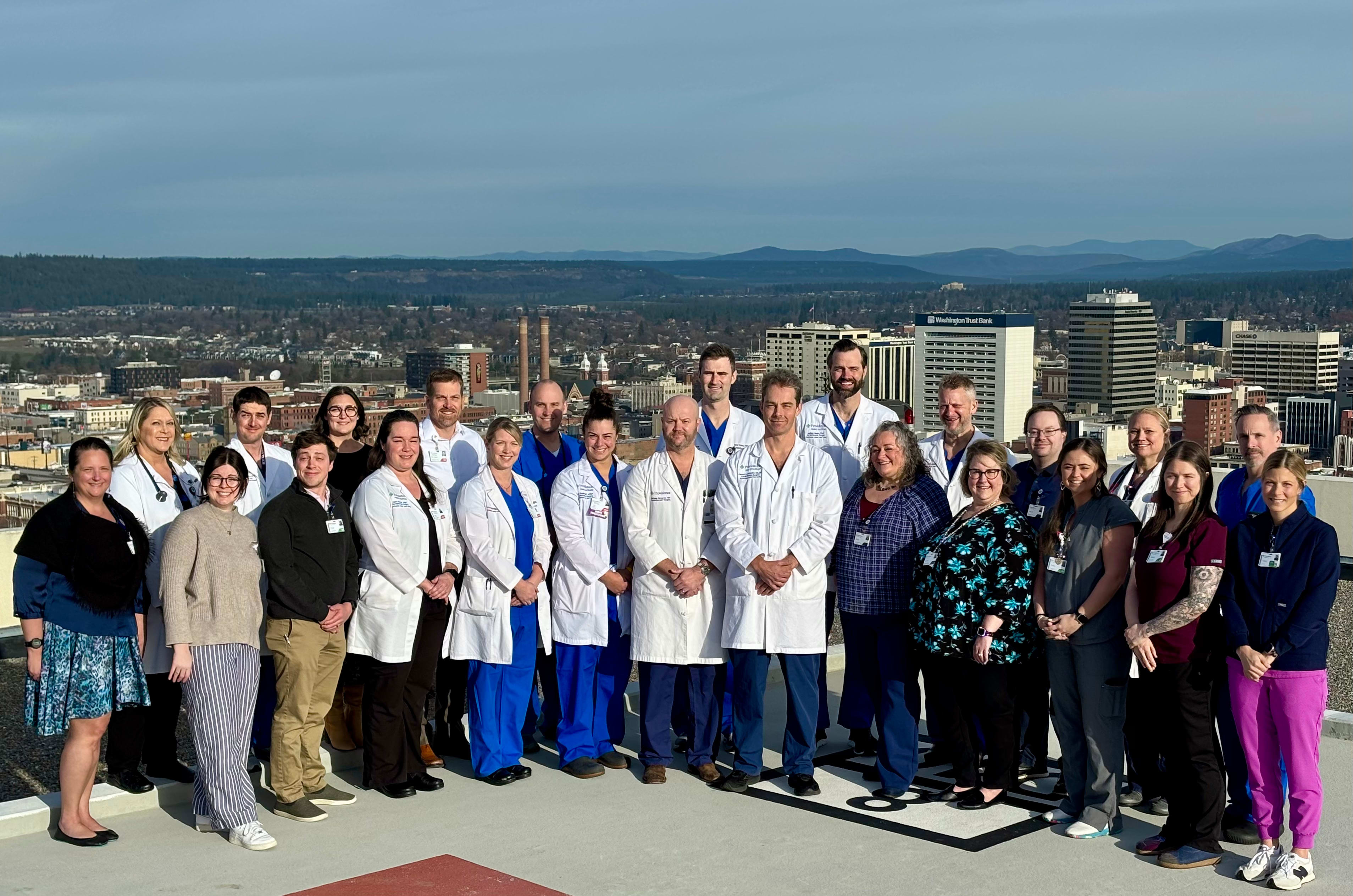 After undergoing a series of tests, Slater was referred to cardiothoracic surgeon
 “Aortic repair is a surgery we do using the patient’s own tissue to fix a valve problem,” Dr. McCarthy explained. “When it’s possible, it offers the best outcomes, both in terms of quality and length of life.”
The procedure requires open-heart surgery and the use of a heart-lung machine. Because it is invasive, not every patient is a candidate, but Slater was. On February 2, 2026, he underwent surgery.
“To be lucky enough to receive this care from Dr. McCarthy — it’s unbelievable,” Slater said. “And it’s right here in Spokane.”
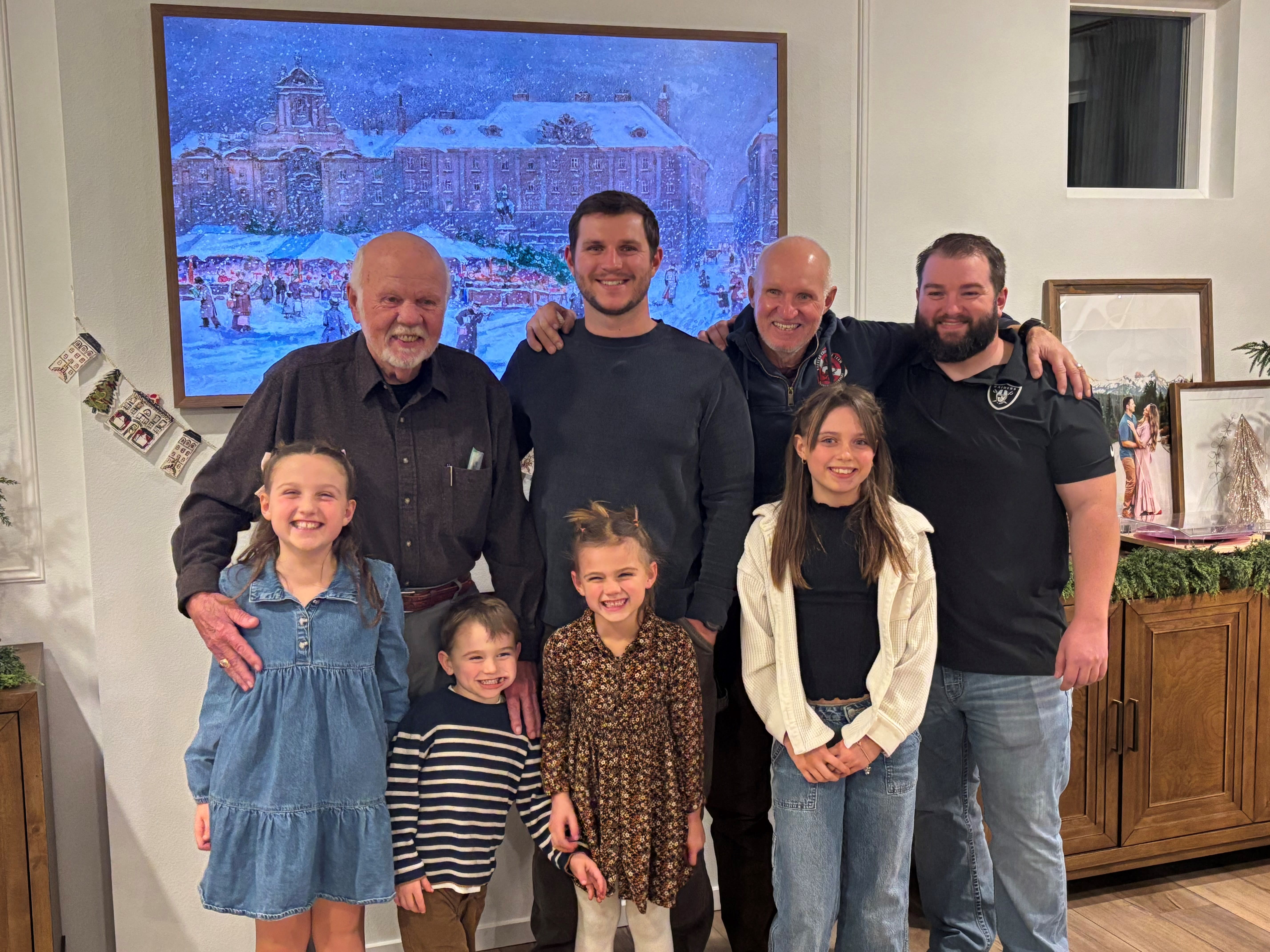
Now, three months later, Slater says he feels better than he has in a long time. He’s back to work full time as a contracting company supervisor and looking forward to spending more time with his two adult children and four grandchildren.
“I have a lot going on in life,” Slater said. “Not being able to do things is not an option.”
Doctors are still working to determine what caused the problem. According to Dr. McCarthy, the most common cause is genetics.
“There are other things that can develop over time,” he said. “Some people develop an aortic aneurysm that distorts the valve and causes it to leak. Sometimes an infection damages the valve, even after it has cleared.”
Regardless of the cause, Slater is grateful to have his heart repaired.
“I’ve got a whole new setup now,” he said. “Everything is working.”
Learn more about the Providence Heart Institute by visiting our website.
About the Author
More Content by Providence News Team


