

June 2026
When seconds mattered, one local teen’s knowledge and quick action made all the difference for his family. Today, his story is helping raise awareness about the signs of stroke and the importance of acting fast.
Recognizing the warning signs
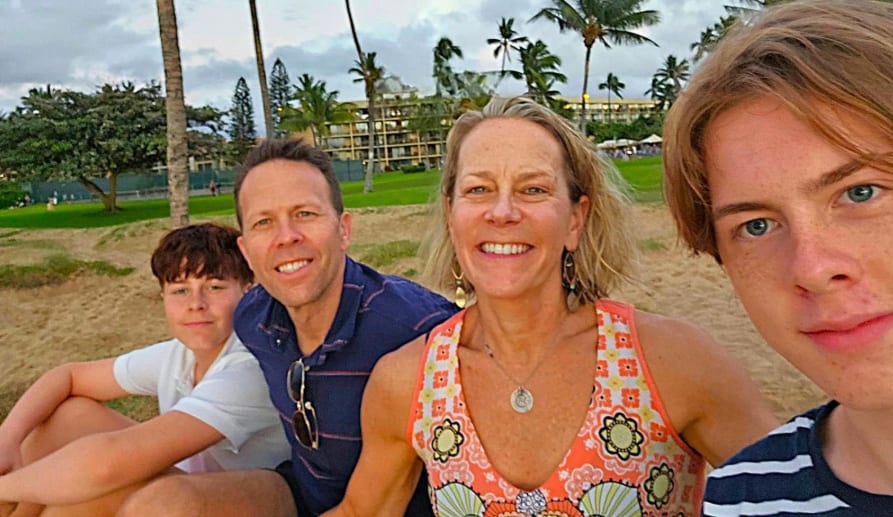
In May of last year, 48-year-old Erin Rosvold — an active and seemingly healthy wife, mother and professional — was getting ready to go for a walk when she noticed she was having trouble tying her shoes.
"I was like, why is it taking so long to get my shoes on? This is weird," Erin recalls. "And I was drooling."
Erin chalked it up to be tired and went outside, where she started weaving down the driveway. As she walked down the street, she happened to run into her 14-year-old son Arlo who was playing basketball with a neighbor. Arlo called for her, but she didn't respond. He tried again and she wasn't making sense.
"I noticed that half her face was drooping down and she was just, like saying gibberish," Arlo says.
Luckily for Erin, Arlo had recently learned about the symptoms of stroke in school and he recognized them right away. He called his dad, the family rushed Erin to Providence Portland Medical Center, and caregivers confirmed she was having a stroke.
Care, answers and recovery
Doctors soon identified an undiagnosed heart condition as the cause of Erin's stroke. She's had to make some tough life changes and now has a pacemaker, but Erin is healthy and has no lasting effects from her stroke.
Erin credits Arlo with saving her life and she urges others to learn about the signs of stroke.
"He was literally in the exact right spot at the exact right time," Erin says. "If we can help one person not have the experience I had or the ripple effect into the family — just this life-altering situation happen — that would be a pretty great success."
Stories like Erin’s highlight how knowledge, quick thinking and access to timely care can save lives — and help families stay whole.
Related
- See more of our services at Providence St. Vincent Medical Center.
- Hear from one of our specialists on how to recognize early signs of stroke.
- Read a story on one patient's second chance at life due to early detection and diagnosis.


