

June 2026
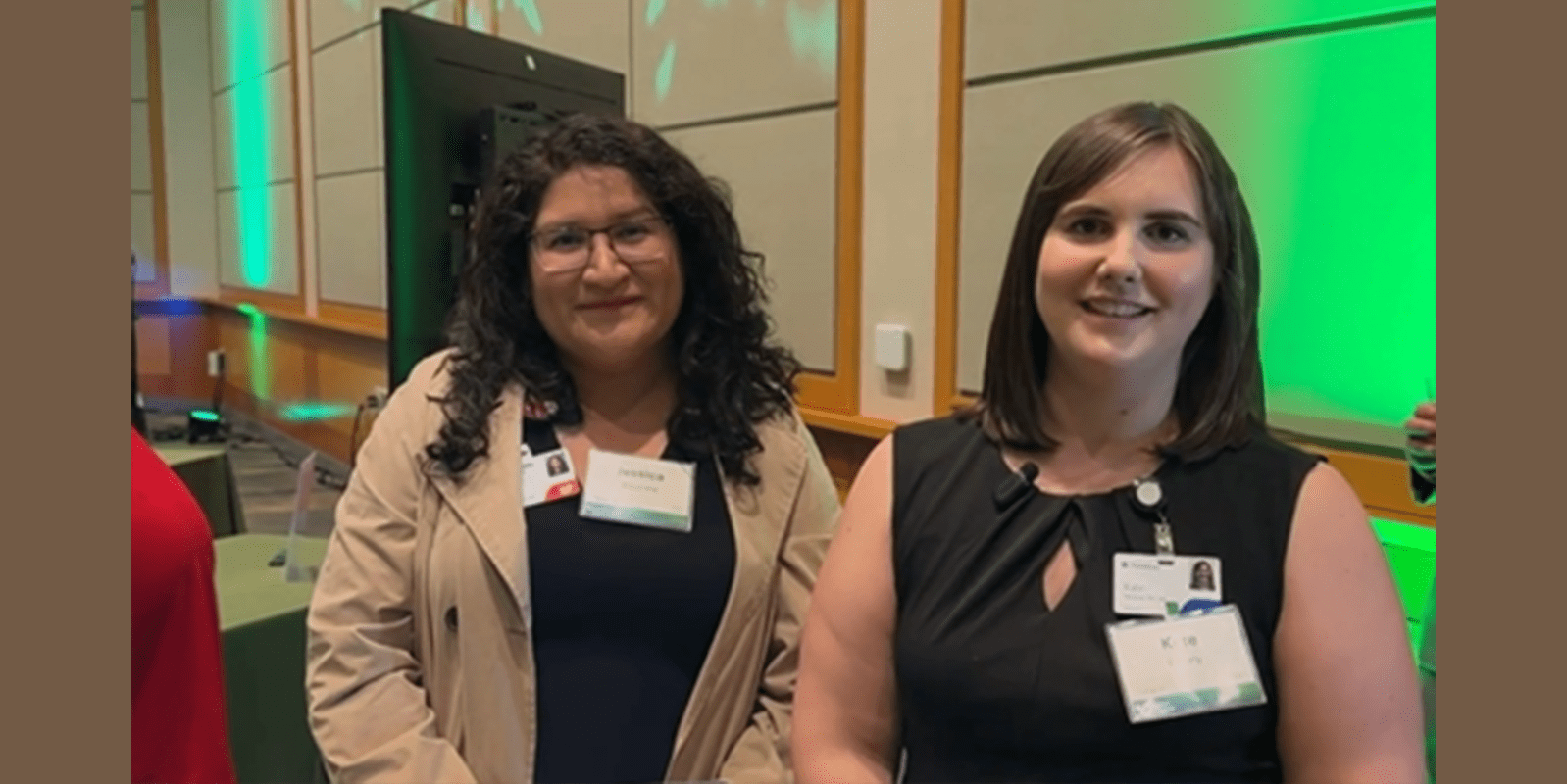
Above: Jessica Bautista, RN, nurse practitioner at Providence Cancer Institute Breast Surgery Clinic - West, and Kate Emery, program manager and genetic counselor at Providence Genomics.
At Providence, care starts with understanding you: your health history, family story and unique risk factors. That’s the foundation behind Prevention4Me, an early detection program designed to help identify cancer risks earlier and tailor care to each individual.
Personalized screening that meets you where you are
"We have an online platform and a questionnaire that allows patients to enter their personal and family history information before their upcoming appointment to help us and them understand if there's any risk factors," says Kate Emery, a program manager and genetic counselor for Providence Genomics.
This information helps care teams better understand each patient’s risk profile and recommend screening that’s right for them.
Through this process, providers can identify people who may benefit from earlier or more frequent screening, or from additional genetic evaluation.
Earlier detection can change outcomes
“10% of cancers are hereditary, so they're linked to a mutation. So being able to catch people who have a mutation allows us to start screening earlier," says Jessica Bautista, RN, a nurse practitioner at Providence Cancer Institute Breast Surgery Clinic - West.
For patients at increased risk — whether due to genetics or family history — earlier screening can make a meaningful difference.
“My line of work is mostly breast-focused, but allows us to find people who have a mutation or who have a family history of breast cancer who might be at increased risk, which allows us to be able to start them on a high-risk screening plan and catch cancers a lot earlier, and sometimes even prevent them as well," Jessica says.
By identifying risk sooner, Prevention4Me helps patients and care teams take proactive steps to support better outcomes and offer more personalized care.

Watch Jessica and Kate's video on Instagram
Related
- See more of our services at Providence Portland Medical Center.
- Schedule an appointment at Providence Cancer Institute Franz Clinic.
- Read a story about a new treatment bringing together AI and genetics.


