

Renton, Wash. [Oct. 12, 2026] — Good clinician-patient communication and a stable living environment are key for atrial fibrillation (AFib) patients to stay up on their medication, helping prevent more serious conditions like a stroke, according to a recent Providence study published in Dovepress.
“Patients who felt unheard by their clinician, were not actively involved in their treatment decisions, or left visits with unanswered questions were significantly more likely to be non-adherent to their prescribed medications,” said Mary Imboden, principal research scientist with Providence St. Vincent Medical Center in Portland, Oregon, who helped lead this study. “We also found that patients who reported one or more social needs, such as housing, transportation or help with day-to-day activities had an increased risk of non-adherence.
“On the other hand, strong patient-clinician relationships were associated with better medication adherence. Patients who felt respected, heard and supported by their clinicians, and who believed their questions were fully addressed, were more likely to take their medications as prescribed,” Imboden continued.
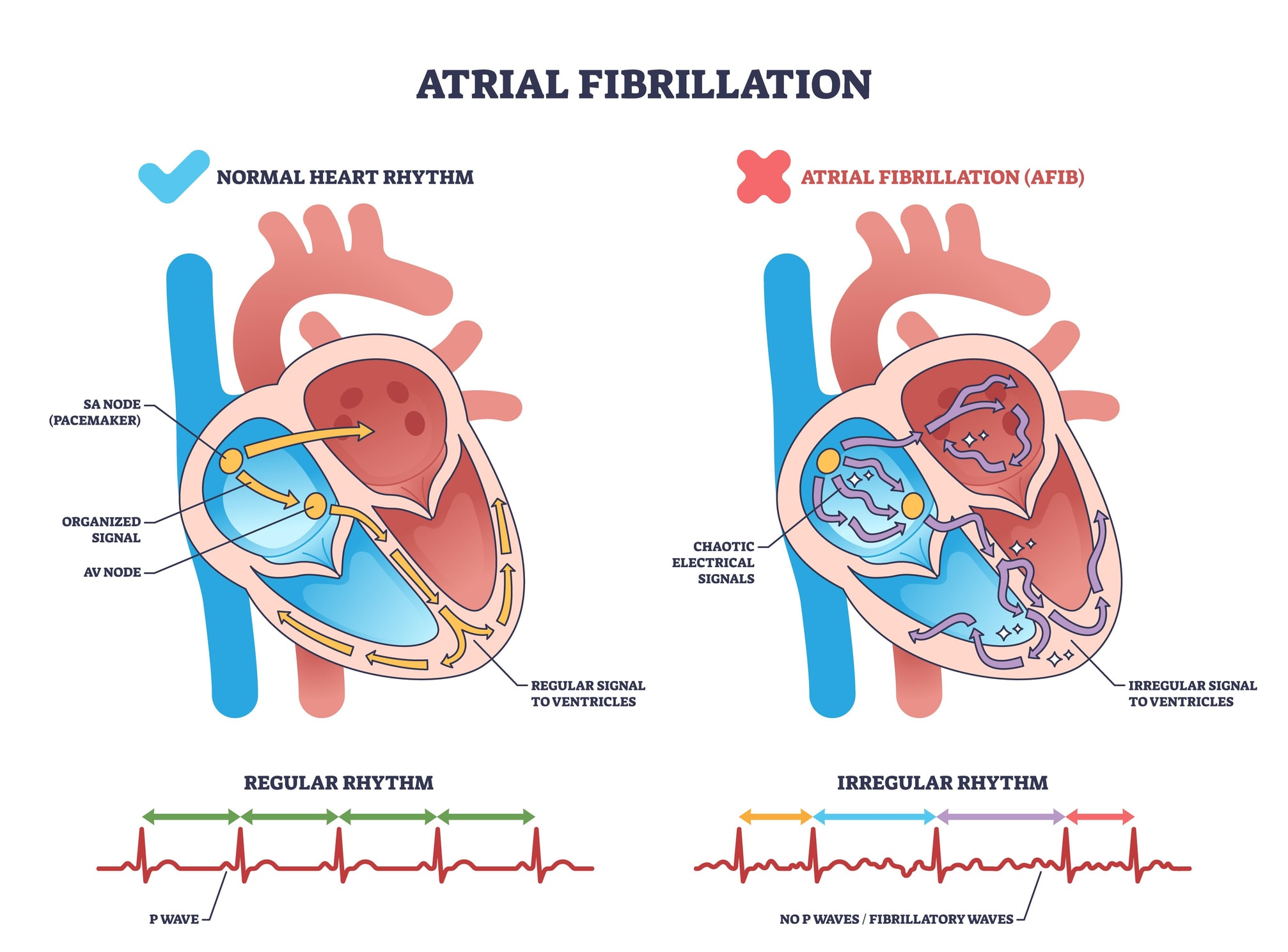
AFib is a common heart rhythm disorder in which the atria beat irregularly and out of sync with the ventricles, which can lead to pooling of blood in the atria. This can increase the risk of clot formation and if a clot travels from the heart to the brain, it can block blood flow and cause an ischemic stroke.
AFib is a major contributor to stroke risk, accounting for approximately one in five ischemic strokes in the United States, with its prevalence and impact continuing to grow as the population ages.
To reduce this risk, clinicians prescribe anticoagulants. These medications help to prevent blood clots from forming and can reduce the risk of stroke by 64%, making them an effective treatment for stroke prevention in patients with AFib.
To better understand why patients might not take their prescribed anticoagulants, Providence researchers mailed surveys to 2,000 AFib patients with an anticoagulant prescription. Two hundred thirteen patients responded completely to the survey, and researchers did further interviews with 28 of those patients.
Nearly 70% of patients who responded said they took their anticoagulants as prescribed. The 32% that didn’t mentioned relationship with their clinician, transportation issues and other challenges as the reasons for not taking their medications.
In addition, researchers sent surveys to nearly 2,700 Providence clinicians to learn what they saw as barriers for patients taking their medications. Of the 78 who responded, most perceived the medication adherence rate to be much lower than patients reported.
“We asked clinicians what tools would help them better assess and improve medication adherence,” Imboden said. “The most common responses centered on access to actionable information at the point of care, including medication costs, patients’ insurance formularies, potential interactions between anticoagulants and other prescribed medications and information about side effects. Clinicians also emphasized the value of having patient-specific stroke risk scores readily available within the patient’s electronic health record.” Imboden believes the study shows a need for further education, both for the clinician and the patient, as well as the importance of effective communication.
“What we heard repeatedly was that adherence starts with understanding,” Imboden said. “When patients understand why a medication is important, feel their questions have been answered, and are included in treatment decisions, they are more likely to take that medication as prescribed. Clinicians play a critical role in making that understanding possible.”


