

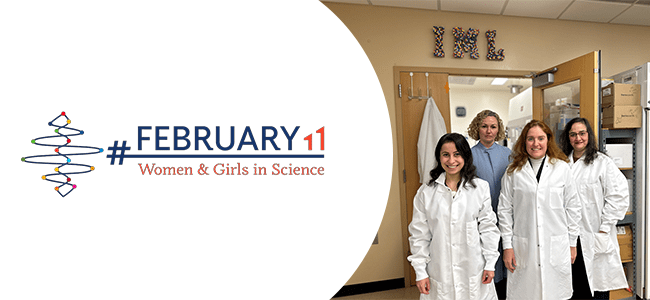
Each year on February 11, International Day of Women and Girls in Science shines a light on the contributions of women in scientific research and the importance of equity in science.
At Providence Cancer Institute, supporting women in science aligns with our mission to deliver innovative, patient‑centered cancer research and care. When we create research environments that welcome everyone, we enhance our ability to make progress in developing innovative cancer therapies for all.
Meet the women scientists of IML
This year, we’re introducing a group of women researchers from the Immune Monitoring Laboratory (IML) within Earle A. Chiles Research Institute, the research arm of Providence Cancer Institute.
The IML plays an important role in designing and running tests that show how well a cancer patient’s immune system is fighting cancer during immunotherapy.
These dedicated cancer researchers found their paths to science in different ways, but they share something in common: a love for scientific discovery and a commitment to making a positive impact.
Read on to learn more about our IML researchers, including what advice they have for girls interested in pursuing a career in science.
Tanisha Christie: Lead Research Associate
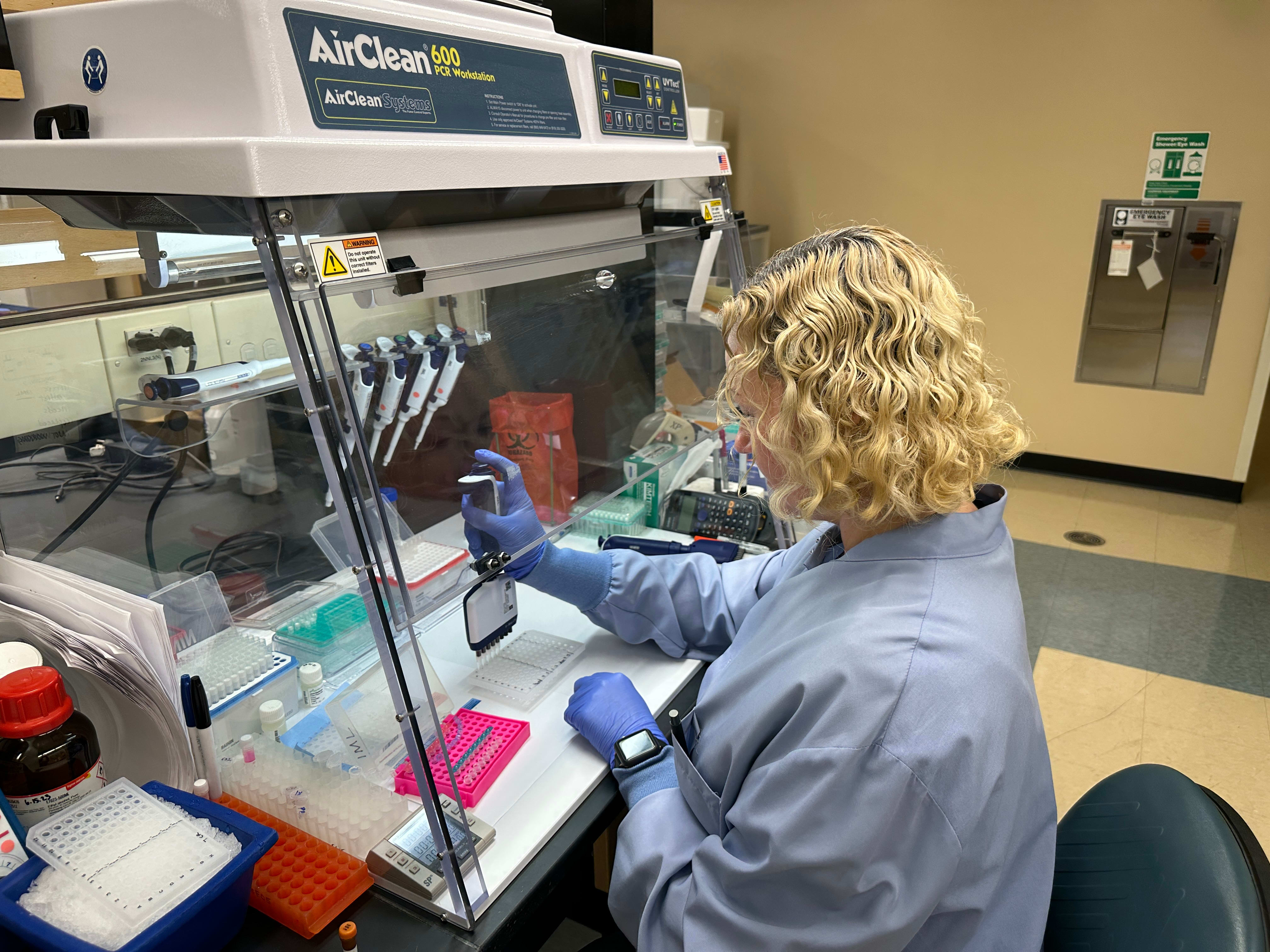
Q: Was there an event or experience that led you to cancer research?
When this opportunity became available, it sounded interesting and genuinely impactful. I pursued it, and the rest is history!
Q: What are the most exciting parts of your job?
I really enjoy the challenge of learning cutting-edge, new assays and techniques for profiling immune responses to treatment. The pace of technology for immune monitoring has really exploded since I started here 20 years ago. I love to learn, so this is the perfect place for me to engage my naturally curious and scientifically wired mind.
Q: What is one thing you’d tell a young girl interested in pursuing a career in the sciences?
I would tell her to explore many scientific disciplines and choose the one that she is most passionate about. Loving what you do makes a huge difference.
Elizabeth Gould: Research Scientist
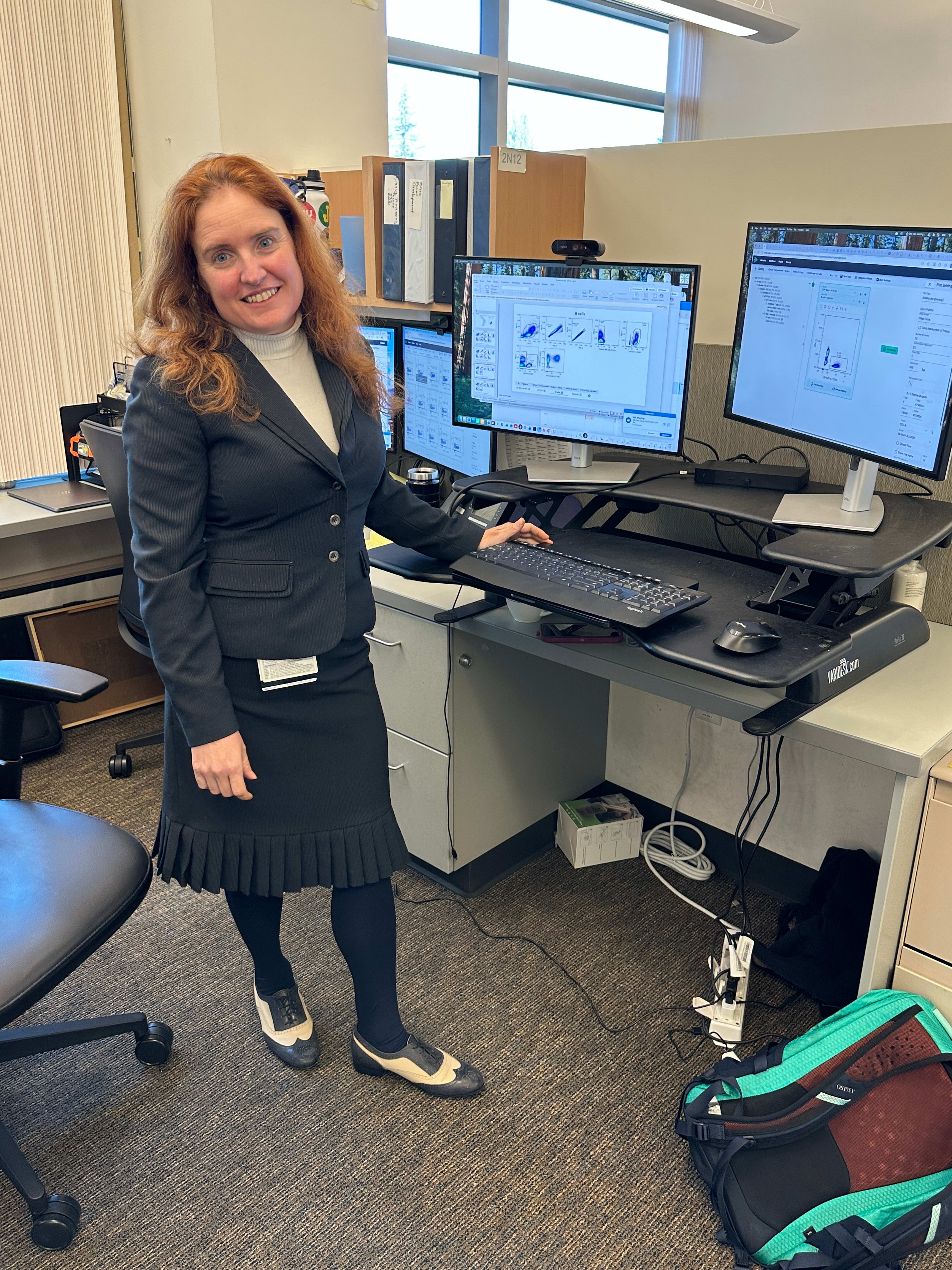
Q: How do you describe what you do in the lab to someone who doesn’t work in the sciences?
Science is a process of inquiry and refinement. Each experiment poses a question and reveals an answer. As those questions are answered, we gain clarity. I work each day to get answers and gain knowledge.
Q: What inspires you to go into the lab every day?
Curiosity. I am curious about how our immune system fights cancer and the ways we can help support our bodies to eliminate cancer.
Q: What is one thing you’d tell a young girl interested in pursuing a career in the sciences?
Learning is uncomfortable—and that’s completely OK. Being a scientist means you’re always challenging what you think you know. That process can feel uncertain or intimidating at times. But that feeling is a sign that you’re growing and building new knowledge.
Mahnaz Jangorban: Research Scientist
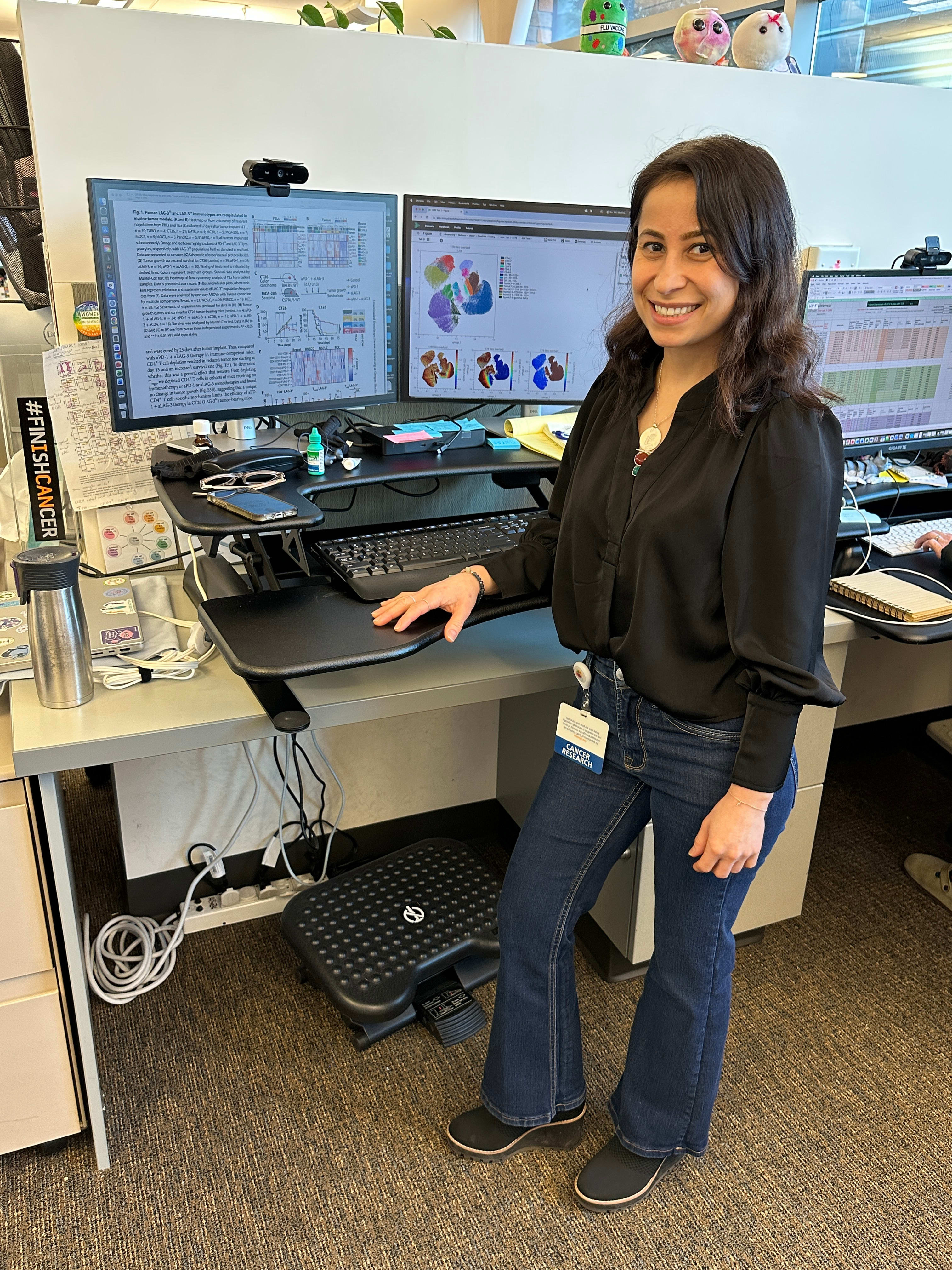
Q: What do you wish more people understood about your work?
I wish people understood how long it takes to move a needle in science, especially in biological sciences. There are unknown numbers of variables that you cannot measure or predict before performing an experiment and hoping for a result.
Q: What are some of the skills or characteristics you consider important to be successful as a scientist?
I think the first and most important characteristic of being a successful scientist is not to expect instant gratification to continue your work. The rate of success from your experiments is 1%. Most of the time you will have a failed hypothesis and failed an experiment. The most important skill of a scientist is critical thinking—not believing whatever you see or hear, and looking for gaps, biases and potential errors.
Q: What is one thing you’d tell a young girl interested in pursuing a career in the sciences?
She shouldn’t go into this career for only money because there is a chance that science and research will not take her there. But, if she has a thirst for the unknown, if she wants to be a discoverer or inventor, then she should go for it.
Alejandra Mendez-Torres: Research Associate
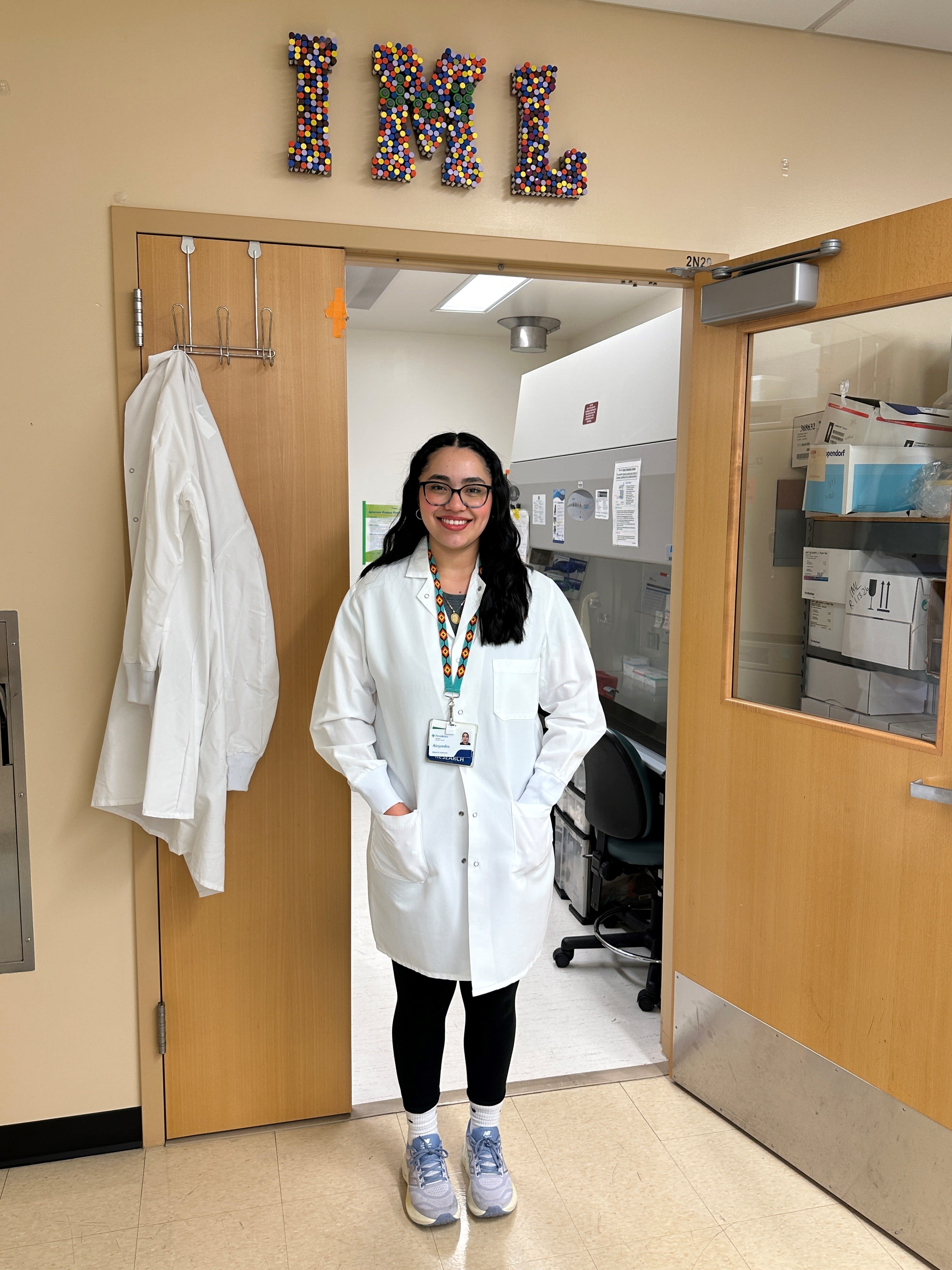 Q: When did you know you wanted to pursue science and was there a person who inspired you or served as your mentor?
I was always a curious kid. I spent a lot of my time reading anything I could get my hands on. Some of my favorite books were the Magic Tree House books. I think the whole series along with the Magic School Bus was what grew my love for science. As for inspiration: My mom has always been an inspiration to me. While she doesn't always understand what I'm doing, she has been my biggest cheerleader.
Q: What is your favorite part of being in a research lab?
My favorite part of being in a research lab is the problem-solving process. You might fix a problem one minute and have a completely different thing to tackle and solve in the next minute. It keeps me on my toes.
Q: What is one thing you’d tell a young girl interested in pursuing a career in the sciences?
Find a community, whatever that might be or look like to you. You will appreciate having people there for you throughout the journey. In addition, find life outside of science and the lab. It’s easy to make it everything, but you grow so much more when you also thrive outside of the lab.
Learn more about our research labs and advancements in cancer treatments at Providence Cancer Institute.
Related news
Why patients in rural areas need access to quality clinical trials
A new strategy for treating locally advanced cervical cancer
Personalizing lymphoma treatment: New study seeks better outcomes


