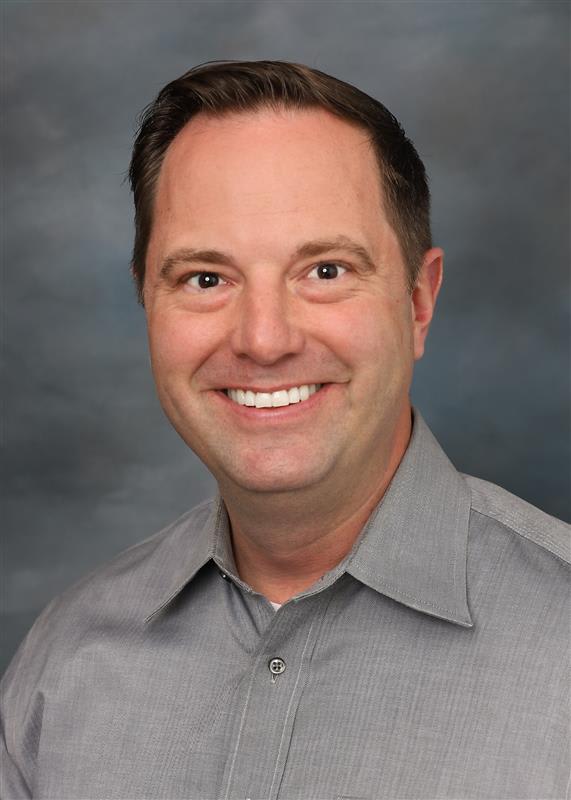
 Providence Mission Hospital and Mission Heritage Medical Group proudly congratulates Dr. Erik Finlayson, hospitalist and co-director of the hospitalist program at Mission Hospital, on the publication of his research review in Microvascular Research. His article, “Blood viscosity: The unifying cardiovascular disease risk biomarker,” brings attention to an often overlooked factor in cardiovascular health and represents more than a decade of dedication to this topic.
Dr. Finlayson has been a valued member of the Mission Hospital team since 2009. A practicing hospitalist, he completed his residency at USC at LA County Hospital and earned his medical degree from Indiana University. While he does not consider himself a traditional researcher, his passion for improving patient outcomes drove him to take on this extensive review.
In his paper, Dr. Finlayson explores blood viscosity, or how thick blood is, as a unifying factor behind many well known cardiovascular risk factors. Most people are familiar with cholesterol, blood sugar, and blood pressure, but his research highlights how these conditions often increase blood thickness, which can slow blood flow and place stress on artery walls. Over time, this stress can lead to inflammation and plaque buildup, especially in curved or branching arteries where heart disease commonly develops.
Drawing from more than 40 years of existing research, Dr. Finlayson explains how smoking, diabetes, high cholesterol, obesity, and even COVID-19 can all increase blood viscosity. He also examines how common heart and diabetes medications affect blood flow, noting that some treatments improve blood flexibility in ways that may help protect against heart attacks and strokes.
“Blood viscosity is something we have been able to measure for decades,” Dr. Finlayson shares. “The idea that paying attention to this simple factor could help us catch heart disease earlier and prevent devastating outcomes is what kept me motivated.”
His work suggests that measuring blood viscosity could one day become an additional tool for physicians to better assess risk and guide treatment, potentially saving lives.
Dr. Finlayson thanks Charles R. Drew University and Providence Mission Hospital for their support. He also dedicates this publication to Dr. Gregory Sloop who started him on this path of research and inspired him to always learn and spread awareness about the importance of blood viscosity. Dr. Sloop sadly passed away far too young on January 31, 2025.
Click here to read the full paper.
Congratulations to Dr. Finlayson on this impactful publication and on his continued commitment to advancing care for patients and supporting fellow physicians.
To Your Health Blog | Providence
Welcome to your journey for creating a healthier you


