

When you’re going through cancer treatment, eating may be difficult or unpleasant. Some days, nausea, taste changes, mouth sores or digestive issues can make getting enough calories and protein difficult. But with a few strategies nutrition can become a helpful tool in reducing discomfort, protecting your strength and supporting your body’s healing process.
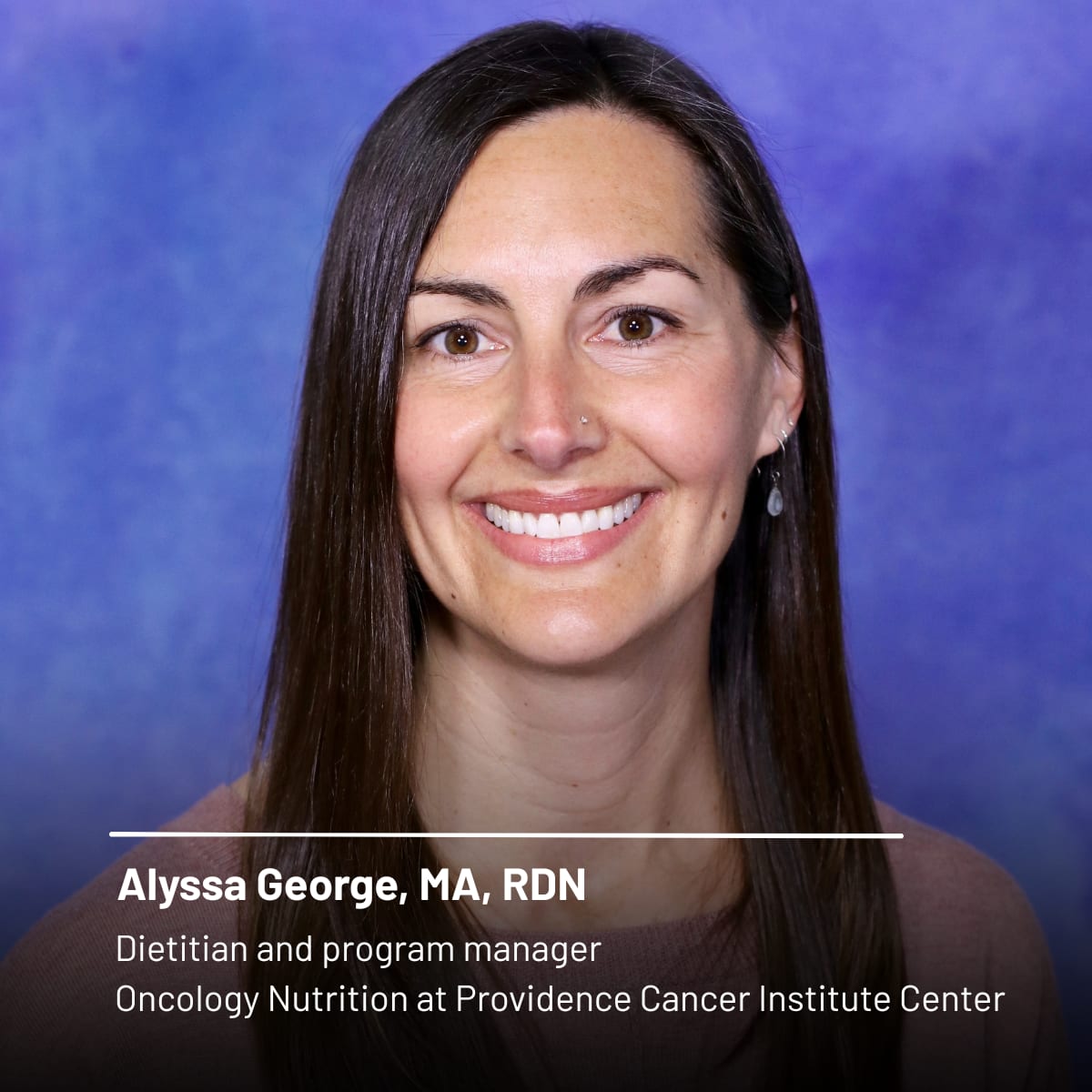 We spoke with Alyssa George, MA, RDN, dietitian and program manager for Oncology Nutrition at Providence Cancer Institute, to find out what her team recommends to patients struggling to get good nutrition during cancer treatment.
How can a person going through cancer treatment manage nausea, diarrhea or constipation?
To help with nausea, eating small, frequent meals and bland foods can help. Starchy foods such as bread, rice, bagels or pretzels, tend to sit better in the stomach because they’re easy to digest. Staying hydrated is important, too.
Stay away from greasy, fried foods or high-fat meats because they can sit in the stomach longer. Instead, choose lean poultry, fish, or vegetarian proteins like tofu or eggs.
For managing diarrhea, stay away from a lot of roughage and choose things that can put beneficial bacteria back into the gut. These include:
-
- Applesauce
- Bananas
- Creamy peanut butter
- Oatmeal
- Rice
- Toast
- Yogurt
Eggs might work well for some people. If you want to eat fresh produce, peel the skin off fruits and cook vegetables.
Managing constipation requires more fiber and fluids. If you’re able, physical activity helps too. Choose high-fiber foods like whole grains, fruits, vegetables, nuts, seeds, beans and lentils.
Although diet changes are a good start, medications may also be needed to manage the side effects of cancer treatment. Anti-nausea and anti-diarrhea medications, or stool softeners can be helpful.
Can protein shakes, smoothies or other nutrition drinks help prevent weight loss when you don’t feel like eating?
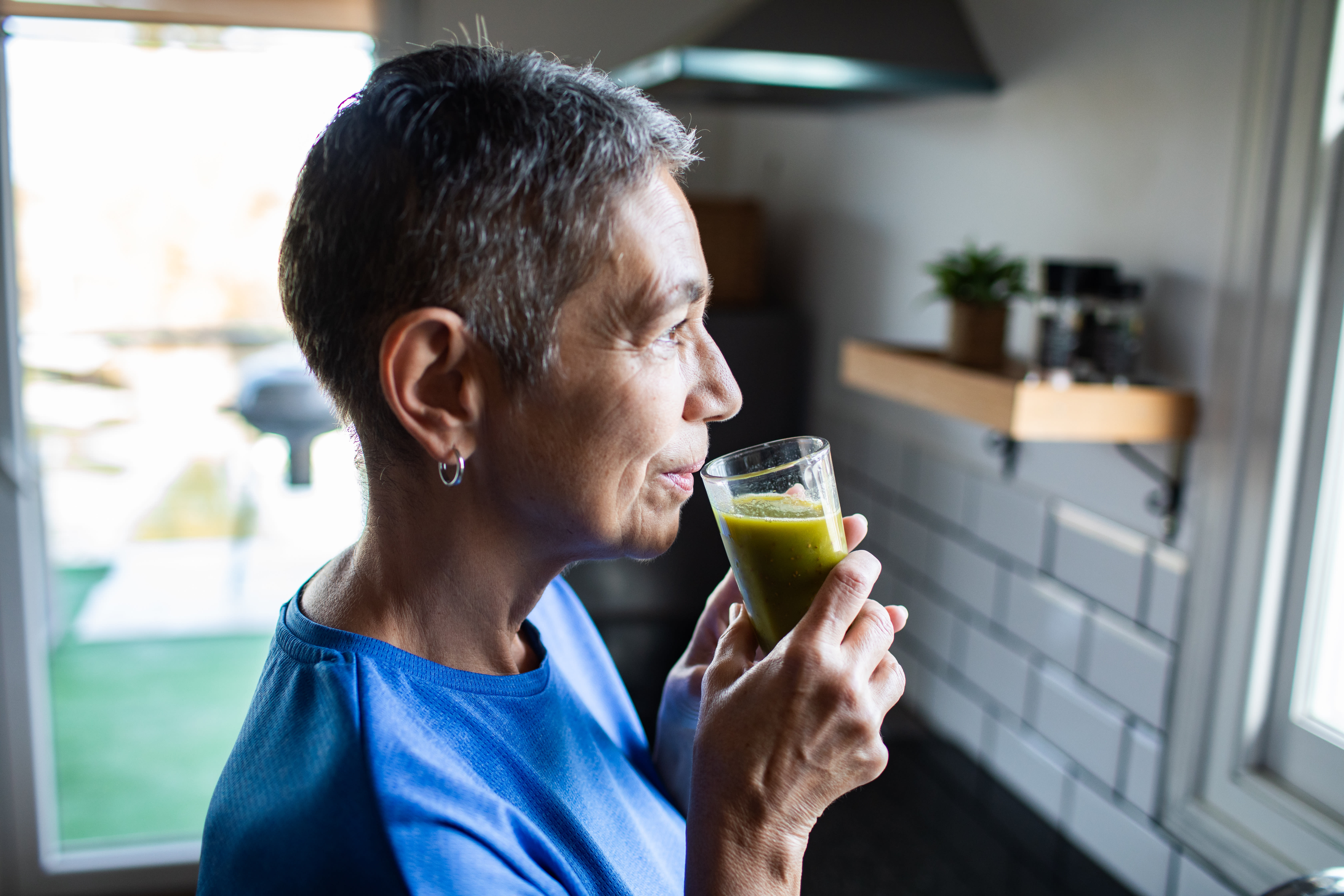
You get your best nutrients from food. But it's a lot easier to drink something than eat when you’re not hungry or when food isn’t appealing. Start by eating what you can but then supplement with liquid calories. If you have the energy and the capacity to make your own smoothie with a protein powder, that’s ideal. But that’s not possible for everyone, so bottled nutritional drinks, premade smoothies or milk shakes can help bridge the gap when eating solid food is difficult or not possible.
Some studies suggest whey protein powder may be the best option for building and maintaining muscle mass. The type of protein powder you choose really comes down to what you prefer and can tolerate.
What are some examples of calorie- and protein-dense foods?
Nuts and nut butters are a great way to add calories. About a quarter cup of nuts is almost 200 calories and 7 grams of protein. Egg salad or tuna salad are good options, or a scoop or two of whole fat cottage cheese can really help add calories.
Are snacks a good way to get more calories?
Your protein needs are generally higher during treatment, so whatever snack you choose, make sure there is some form of protein included. For example, granola bars, yogurts, nuts, cheese and dried edamame are good snacks to keep around. Also, a lot of cereals are protein-fortified and make good snacks.
Some chemotherapy causes a metallic taste in the mouth. What can help?
When everything tastes like metal, it can be hard to eat and drink. Here are some things you can do to help:
-
- Avoid putting metal utensils in your mouth. Use bamboo, wooden or plastic utensils instead.
- Switch to lower iron protein foods. Vegetarian proteins, poultry or fish that have a lower iron content, like cod, sole or other white fish, are good options.
- Add electrolyte powders, flavored drops or a splash of juice to water to help with taste and make it easier to stay hydrated.
How do you eat when you have mouth sores?
Mouth sores can make it difficult to eat at a time when you need more calories and protein to help with healing. Try sipping liquids through a straw and eating or drinking soups, smoothies, nutrition drinks and milkshakes. These can be effective options for adding calories.
Bland food can help, too. Try to avoid anything spicy, hot, salty or acidic because they can aggravate mouth sores. Don’t use mouthwash containing alcohol, as that can also be irritating.
Sometimes an amino acid supplement called L-glutamine can help. L-glutamine is the preferred fuel for the cells in the digestive tract, so if there is irritation or healing that needs to happen, supplementing with L-glutamine may help support that process.
How do you manage a dry mouth?
For dry mouth, add more sauces, gravies or soups to your meals. Take more sips of water while eating and dunk bread in liquid to add more moisture to your mouth.
A humidifier next to the bed can be helpful, as well as oral moisturizers that you put inside your cheek to dissolve.
Is it safe to drink alcohol?
During treatment, your liver can be processing a lot of medications. Although we generally recommend that you don’t drink alcohol, it can be okay to have a glass of wine or a beer on occasion. Always talk to your provider first.
What should a caregiver know about preparing food?
Remember that cooking smells can trigger nausea. It helps to open windows, so you've got fresh air coming in, and to turn on a fan to minimize cooking smells. Batch cooking is helpful too. That way you have prepared meals ready that can be reheated.
Get personalized tips on nutrition
Patients at Providence Cancer Institute have a wonderful resource to help ease their way: a team of registered dietitians who specialize in cancer nutrition. They work closely with patients to set nutrition goals and advise ways to achieve them. The team also hosts cancer nutrition classes that are free for all cancer patients. Learn more about Providence Oncology Nutrition.
Related news
Knowledge is power: Supporting colon health through everyday choices
Community Teaching Kitchen helps one patient build confidence and improve health
Talking to an expert: The crucial role of nutrition in cancer care


