

This is the second installment in a multi-part series about Providence’s climate resilience work and why it matters now more than ever. As extreme weather events become more frequent and disruptive, hospitals and health systems must be prepared to continue caring for patients and communities — no matter the circumstances. In this series, we’ll explore how Providence is strengthening its facilities, adapting processes and working with communities to build a more resilient future. Read Part 1.
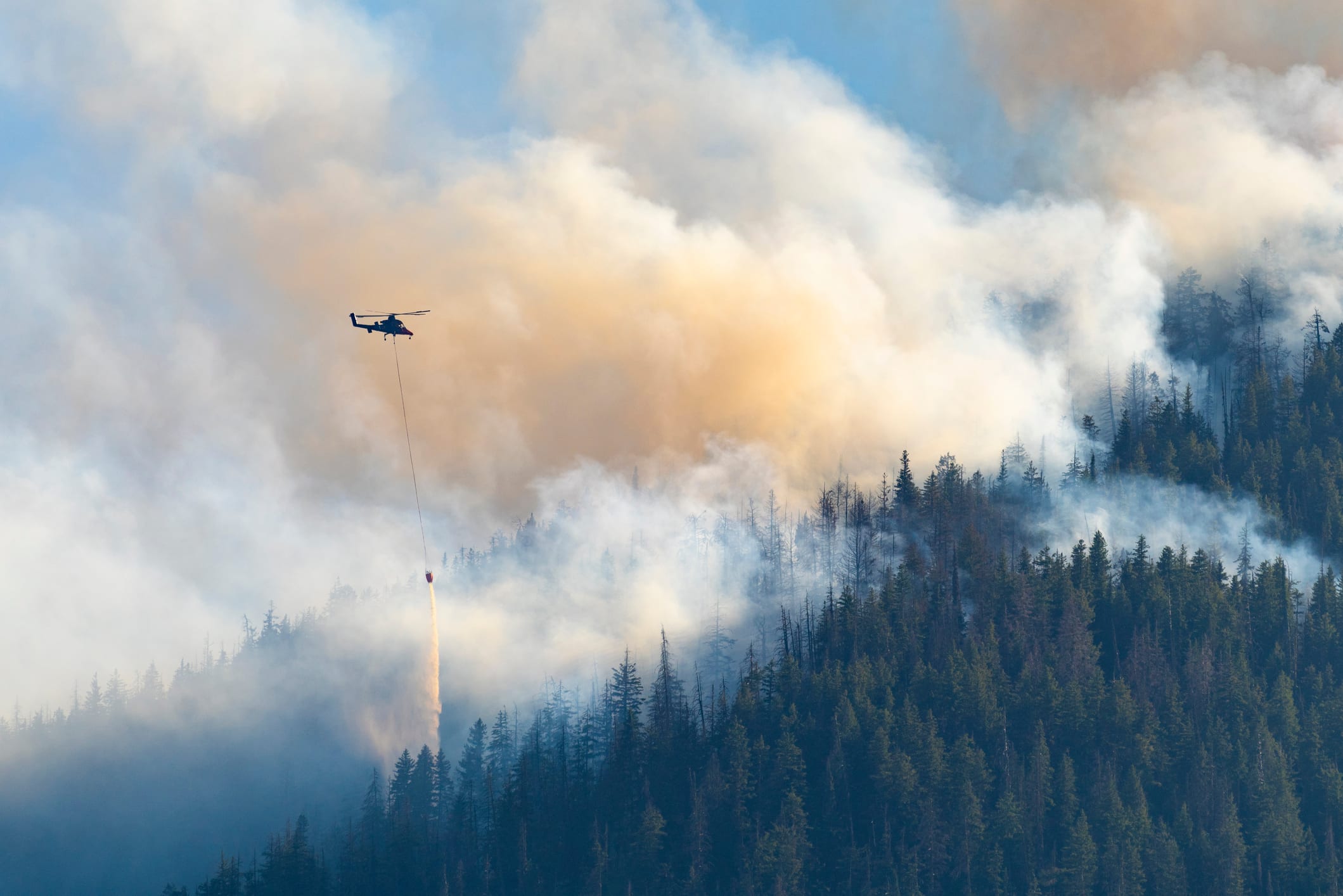
When the Palisades Fire broke out in West Los Angeles in January 2025, Providence Saint John’s Health Center began preparing for the worst.
While not in the formal evacuation zone, the Providence ministry sat fewer than five miles from the blaze and was so close to evacuating that it called other hospitals in the area to find space for patients who would be displaced — proactive measures hospitals across the region would end up taking to ensure patients could continue receiving essential care as the destructive LA fires raged.
Providence Saint John’s didn’t end up moving patients, but, as the fire was eventually contained, they knew their service to the community was not yet finished.
“We quickly recognized the need to provide both immediate respiratory care and long-term pulmonary support for those affected by smoke exposure and poor air quality,” said Emily Enos, MSN, executive director of Providence Saint John’s Heart & Vascular Institute. “We also recognized the importance of supporting first responders, whose prolonged exposure to smoke and hazardous conditions placed them at increased risk for respiratory complications.”
This recognition led to the formation of the Disaster Relief Pulmonary Clinic,* brought together by pulmonary physicians, respiratory therapists, nurses, operational leaders and support teams to focus on the community's evolving needs. Since forming, the clinic has helped hundreds of patients recover from smoke-related respiratory issues and prevent long-term complications, and continues to provide pulmonary evaluations, treatment, education and follow-up care for individuals affected by wildfire smoke.
“Disaster recovery does not end when the emergency is over,” Enos said. “Health systems can play an important role in addressing the long-term health effects of disasters by acting quickly, collaborating across disciplines and creating services tailored to ongoing community needs.”
Providence Saint John’s emphasis on facilities, clinical care and communities in their response showcases all three parts of We REACH, Providence’s healthcare resilience initiative, and their quickness and collaboration exemplify how preparation for and response to weather events are climate resilience tactics.
As 2026 weather patterns forecast more extreme weather across the U.S. into late 2027, here’s a look at what has happened across the country and what may happen in the future.
Extreme weather is becoming more common
The National Centers for Environmental Information declared July 2026 as the hottest month on record in the contiguous U.S., and the U.N. Environment Programme announced in September that the world is on track to surpass 1.5°C global warming. Extreme heat is the leading weather-related cause of death in the United States, accounting for more annual fatalities on average than floods, tornadoes and hurricanes combined.
Temperatures have increased globally, but according to the U.S. Environmental Protection Agency, the U.S. is expected to continue warming faster than other parts of the world. Average U.S. temperatures have risen about 60% more than the global average since 1970, and the regions expected to see the highest increase are the north and the west — areas where Providence primarily operates.
Communities served by Providence have faced notable extreme weather events in the past five years. The 2021 heat dome in the Pacific Northwest, for example, resulted in more than 250 deaths and hundreds of emergency department visits in Alaska, Oregon and Washington.
Extreme heat also creates land conditions that are more susceptible to wildfires. The Spokane Complex Wildfires in August resulted in more than 800 destroyed or damaged homes, and more than 60,000 residents faced mandatory evacuation orders. This puts the evolving nature of climate resilience in healthcare into perspective.
“One of the questions in the climate facility risk assessment for each hospital is ‘what are your specific climate risks?’” said Beth Schenk, Providence’s chief environmental stewardship officer. “In Spokane and Los Angeles, I would not have said urban wildfires. This is a wake-up call because, while we can do something about it, we can’t consider ourselves safe anymore.”
For health systems, these hazards are also health threats. Extreme heat can worsen cardiovascular, respiratory and kidney conditions, while wildfire smoke can trigger asthma, reduce lung function and increase emergency visits and hospital admissions. Children, older adults, pregnant people, outdoor workers and people with existing heart or lung conditions may face greater risk, making equitable preparedness an essential part of climate resilience.
Extreme heat and wildfires are now common enough for Providence to communicate risks to its patients, caregivers and communities, but future conditions will test health systems in new ways.
What a ‘Super El Niño’ could mean for healthcare preparedness
El Niño is a natural climate pattern defined by the unusual warming of surface waters in the central and eastern tropical Pacific Ocean. There’s no set frequency of El Niño, but occurrences have been documented roughly every two to seven years and typically last between nine and 12 months, occasionally extending for multiple years.
Fall 2026 is slated to bring the first ‘Super El Niño’ since 2015 and, according to the National Weather Service, there is a 75% chance of a historic event that would exceed the strength of previous El Niño events dating back to 1950 — possibly the strongest on record.
The global regions at the greatest public health risk are in the southern hemisphere or near the equator, as those areas enter their summer seasons or have consistently warm temperatures. But the U.S. is slated to face unprecedented risks that put many communities at risk, including those in the Providence seven-state footprint.
California, a state whose recent weather challenges have mainly been drought and wildfires, faces extreme flood risk from heavier than usual rainfall and dry land that can’t absorb it, and coastal erosion concerns from more active ocean waves reaching shore. California Gov. Gavin Newsom declared a state of emergency in September to prepare the state for Super El Niño. This rainfall will travel across the south with a likelihood of reaching Providence ministries in West Texas and eastern New Mexico.
Montana, Oregon and Washington saw an incredibly active wildfire season in 2026 due to a warmer and drier 2025 winter. It is estimated that upwards of 4 million acres have burned between all three states in 2026, with Oregon experiencing the greatest impacts with approximately 2.33 million acres burned through September. Super El Niño, as projected, will exacerbate these conditions and create an even greater wildfire risk in 2027, potentially leading to prolonged smoke exposure, more evacuations and greater numbers of patients visiting hospital emergency rooms for heat-related illnesses.
The forecast raises an important question: How do we protect our communities now and in the long-term?
Collaboration and hope can drive resilience
There’s never been a greater need for climate resilience in healthcare, and no organization or sector can build resilience alone. The strongest results come from working together across sectors and communities, sharing resources and successes (such as Providence’s WE SHARE initiative). That opportunity will exist even after Super El Niño ends.
Providence is dedicated to helping its patients, caregivers and communities prepare for what’s to come. This includes the work of the St. Joseph Fund (SJF), a Providence grantmaking foundation that focuses on local community building and is dedicated to disaster response and resilience grantmaking. Through three trusted and vetted U.S.-based partners — Catholic Relief Services (CRS), the Center for Disaster Philanthropy (CDP), and Catholic Charities USA — the St. Joseph Fund distributes unrestricted grants that support low-income populations globally with emergency preparedness, immediate relief following an emergency and long-term recovery to support community resilience.
Beyond grantmaking, Providence is dedicated to sharing strategies for addressing climate resilience through We REACH and mitigating greenhouse gas emissions through WE ACT, which supports Providence’s work toward becoming carbon negative by 2030.
“Climate-related weather events today are the results of decades of greenhouse gas pollution. In other words, we can't prevent extreme weather events we’ll see in the near-term future.” said Schenk.
“Nonetheless, we continue to reduce our greenhouse gas pollution in our mitigation strategy, with an eye toward reducing harm in the long-term future. Resilience is a key component of Providence’s vision Health for a Better World, and through mitigation of carbon emissions, we can build resilience while also working to reduce further climate change. It’s not too late for us to do that.”
Learn more about Providence’s mitigation, resilience and resource sharing work on the Providence Center for Environmental Stewardship
*Community members can contact the Disaster Relief Pulmonary Clinic at 310-829-8704 to schedule an assessment or learn more about available services.


