

For more than 120 years, Providence Alaska's commitment to provide for the poor and vulnerable in our state has been unwavering. In 2025, we invested $66.8 million in total benefit to the communities we serve, including $29.5 million in free and discounted care.
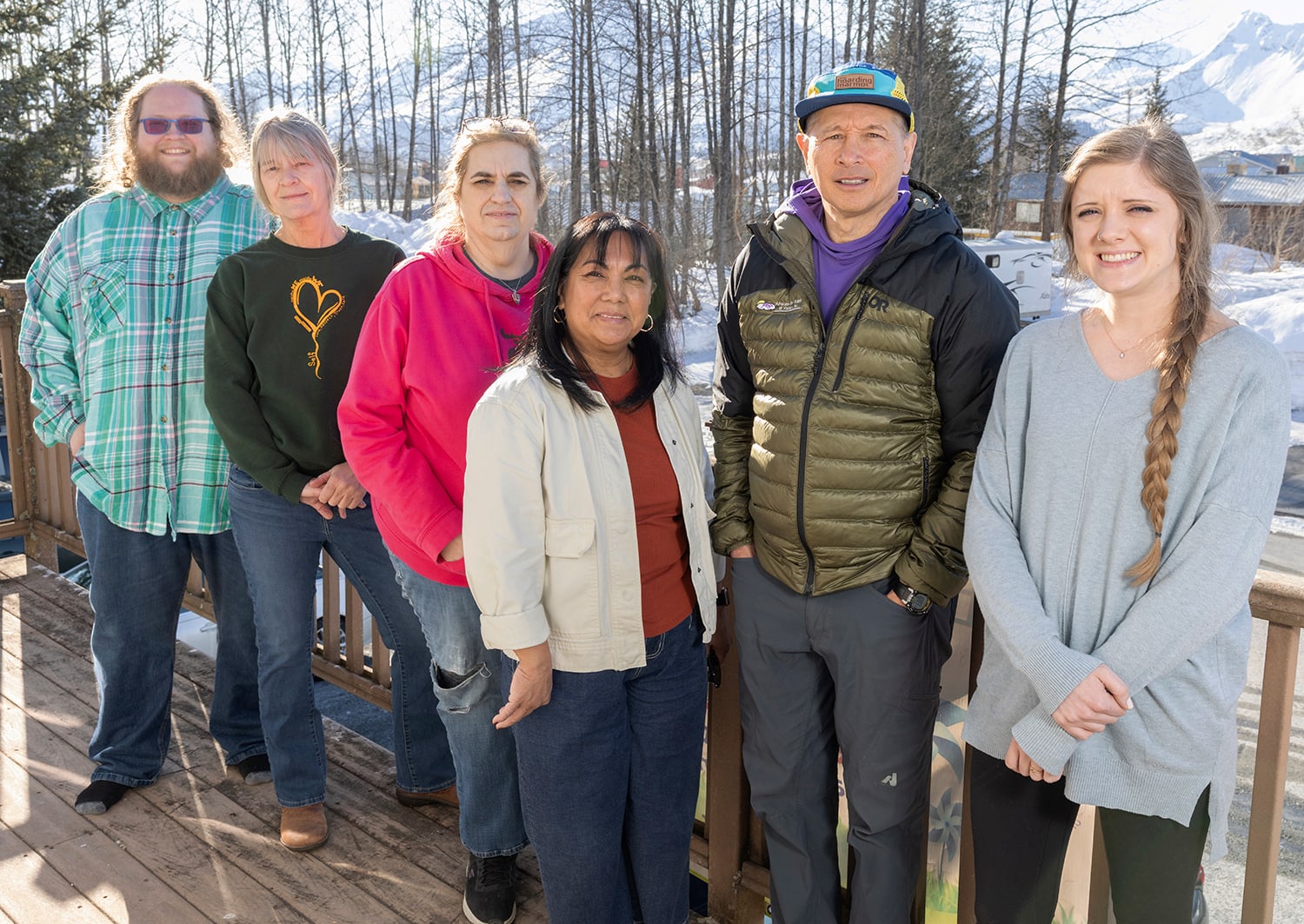
VALDEZ, Alaska — When the staff of Advocates for Victims of Violence (AVV) in Valdez went before the House finance committee in February, they wanted Alaska’s legislators to really understand what victims of domestic violence experience. So, rather than stand up and recite facts and figures to support their request for funding, one of their clients did the talking.
Once a victim, now healing and finding her voice, she stood up and spoke. Rowena Palomar, AVV’s executive director, shared the powerful moment that helped her begin healing, and laid bare the stark realities of those seeking to flee from their abusers. Here’s what she said:
“These funds will benefit victims of violence like me. Advocates for Victims of Violence here in Valdez has assisted me and my children to get back on my feet. We experienced hardships physically, emotionally and mentally. The individual advocacy that was provided to me and my children made a big difference in our lives. I don’t know where I would be now had it not been for the help of AVV.”
In 2025, Advocates for Victims of Violence served more than 3,000 clients from Valdez to Glennallen up to Copper Center and the Copper River Valley — a geographic area the size of Ohio. These clients included those who lived in AVV’s seven-bed shelter, or called the crisis hotline, walked in off the streets, or were referred by Providence Valdez Counseling Center, medical providers, school and other community providers. Providence supported AVV’s operations with $24,667 in community benefit funding.
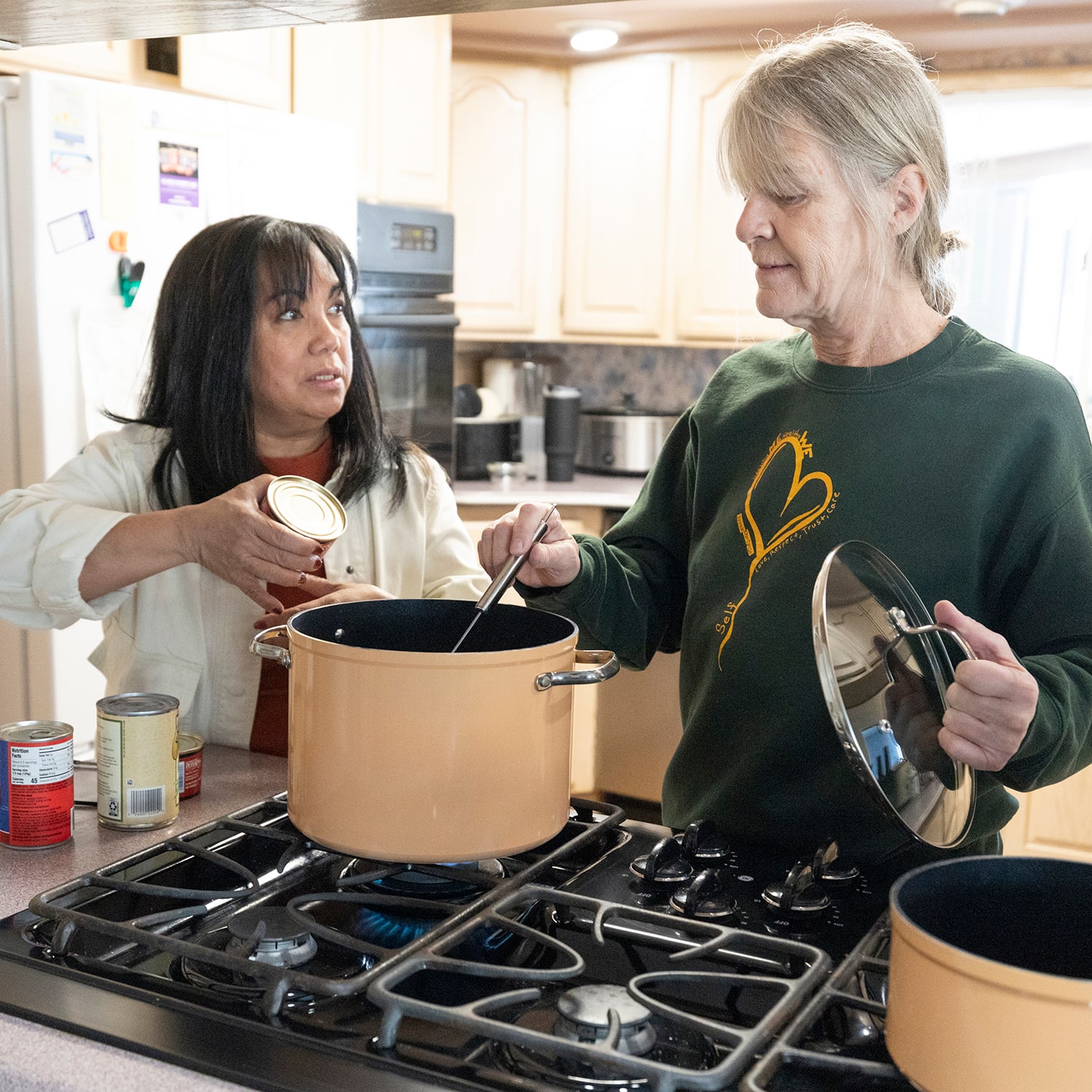 “After COVID, our number of clients tripled,” Palomar said. “And it has not changed. Our shelter has been full to capacity since then. We could not do what we do without Providence community benefit funding.”
Sparsely populated communities have challenges that aren’t as prevalent in larger cities, Palomar said. Isolation, long winters, and a low job market can make it challenging to live on the fringe, and when domestic violence occurs, it often can feel difficult to escape, she said.
Furthermore, Palomar said, Valdez has a significant housing shortage, so once a decision to leave is made, victims often have nowhere to flee.
“Providence has really helped us so much,” Palomar said. “We have a shelter that is intended for women and children, but we also have male clients, and we help people who have underlying conditions such as disability, mental illness. When Providence Valdez Counseling Center calls us with a referral, we offer them help, too.
“I have used Providence funds to make sure we have a safe place to stay for these victims, whether it’s in a hotel or a local bed-and-breakfast. This helps us tremendously when we have situations like this,” she added.
AVV has a longstanding history in Valdez, opening in 1981 and recognizing its 45th anniversary this year. Today they employ five full-time employees and five part-time advocates who help clients navigate the court systems, provide food and clothing as needed, help schedule counseling, and ultimately find a safe place for them to live. The staff also works on victim advocacy and education, to try and stop the cycle of violence.
Palomar said it would be fulfilling to work herself out of a job – a community that does not need AVV’s services would be idyllic. But she knows that it’s unlikely to happen. According to a study by the Alaska Comprehensive Forensic Training Academy, nearly 75% of Alaskans have experienced domestic violence or sexual assault. Alaska women have a 59% chance of experiencing such violence, and Alaska Native women are at even higher risk – 84%. In AVV’s service area, up to 30% of the population is identified as American Indian or Alaska Native.
“My dream is that before I retire, I would like to have transitional housing,” Palomar said. “We simply don’t have enough space to serve those we need to serve. Apartments these days are very difficult to find, and most of the owners of these units are using them for B&Bs or renting to contractors or tourists, who can pay a higher amount.”
Still, Palomar said, she and her staff celebrate the success. Each client who escapes an unhealthy relationship is a win.
“Those are the things that really keep us going,” she said. “We can make a difference in somebody’s life, and especially if children are involved, we know this work matters.”
About the Author
More Content by Providence News Team


