

This is the first installment in a three-part series about Providence’s climate resilience work and why it matters now more than ever. As extreme weather events become more frequent and disruptive, hospitals and health systems must be prepared to continue caring for patients and communities — no matter the circumstances. In this series, we’ll explore how Providence is strengthening its facilities, adapting operations and working with communities to build a more resilient future.
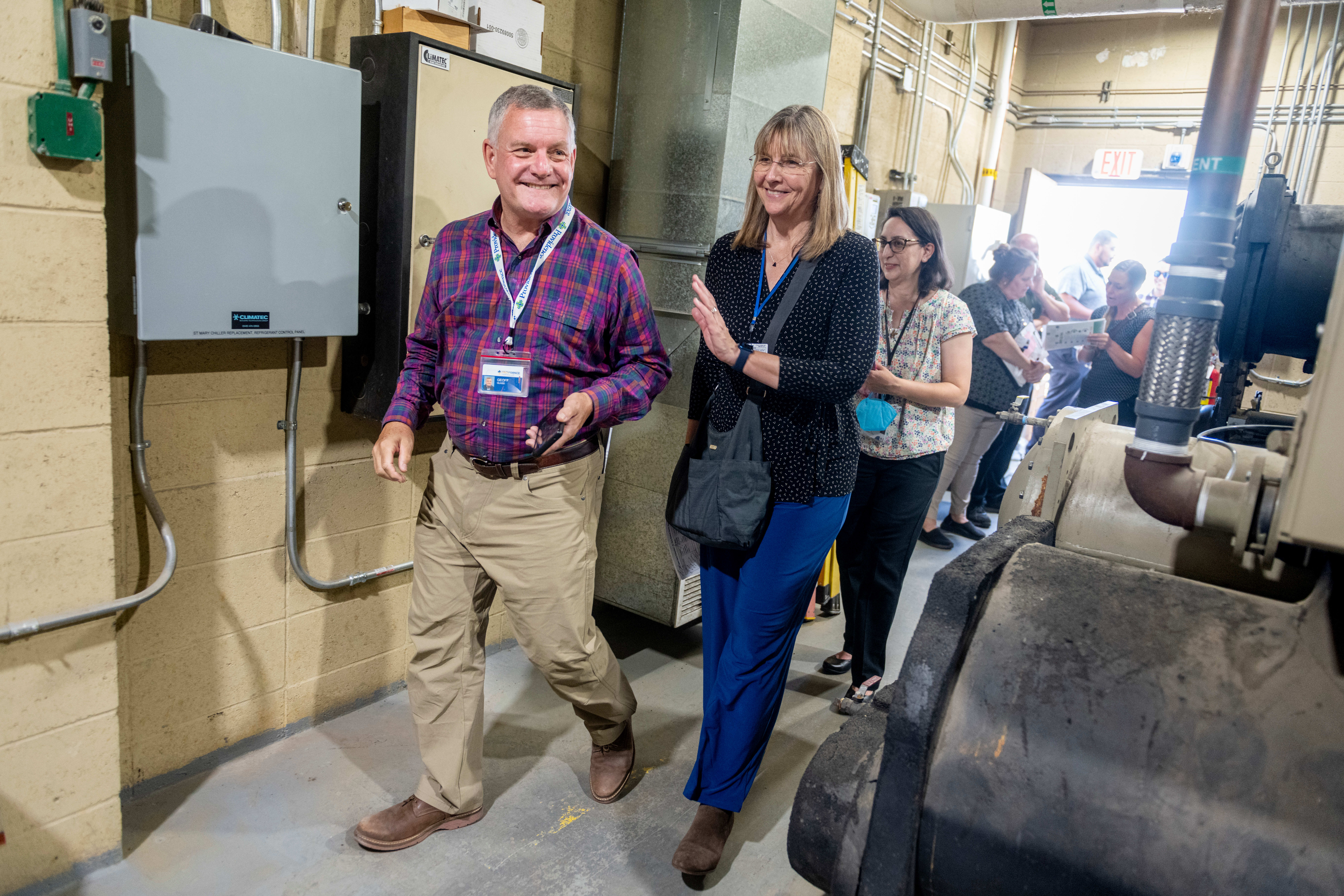
As he drove through British Columbia wilderness in August 2026, Geoff Glass was surrounded by wildfire smoke so thick could not see the local forest land he had come to enjoy. To protect his health, he used the air recirculation setting in his car that helped limit smoke from seeping in — a similar ventilation system feature being used in many of Providence’s buildings.
“A lot of our facilities were built in the '60s and ‘70s,” said Glass, a healthcare sustainability consultant who was a Providence caregiver for nearly three decades. “Facilities of that era were typically designed to bring in a lot more outside air. That can be helpful during a pandemic but it’s not so great during a wildfire.”
For Glass, it was a reminder of how climate resilience largely hinges on everyday systems and infrastructure, and underscores why Providence is taking a closer look at how its hospitals would adapt and operate during wildfires, heat waves, floods, loss of utilities (such as power and water) and other extreme weather events.
At Providence, this is analyzed through Providence's Climate Resilience Facility Assessments (CRFAs), part of the We REACH initiative led by its environmental stewardship team. Through We REACH (Resilience, Equity, Adaptation, Climate and Health), Providence identifies and addresses local climate risks and resiliency interventions so hospitals can operate during extreme weather events and continue providing patient care.
With these events currently projected to become more common, and Super El Niño on the horizon — a weather phenomenon that is expected to bring heavy rain to the Southwest, drier-than-normal conditions to the Pacific Northwest and have other notable impacts on global weather patterns— healthcare facilities need to prepare to withstand disruption so they can continue caring for patients and communities under the worst of circumstances.
Here is a look at how Providence is leading the way in climate resilience in healthcare, assessing risks across its facilities and preparing its hospitals for the changing conditions ahead.
Defining adaptation and resilience in healthcare
We REACH helps ensure Providence hospitals are resilient during extreme weather, and is guided by three objectives:
- Strengthen existing and future infrastructure, buildings and critical utility services
- Shift clinical practices to respond to climate emergencies and changing environmental stressors
- Support populations disproportionately impacted by climate change
These objectives help keep Providence facilities running during extreme weather events, allowing care to continue safely for patients and caregivers.
Adaptation and resilience in healthcare are about keeping continuity in the midst of change. Each building has its own considerations, but the goal is the same for every facility, and many questions are the same.
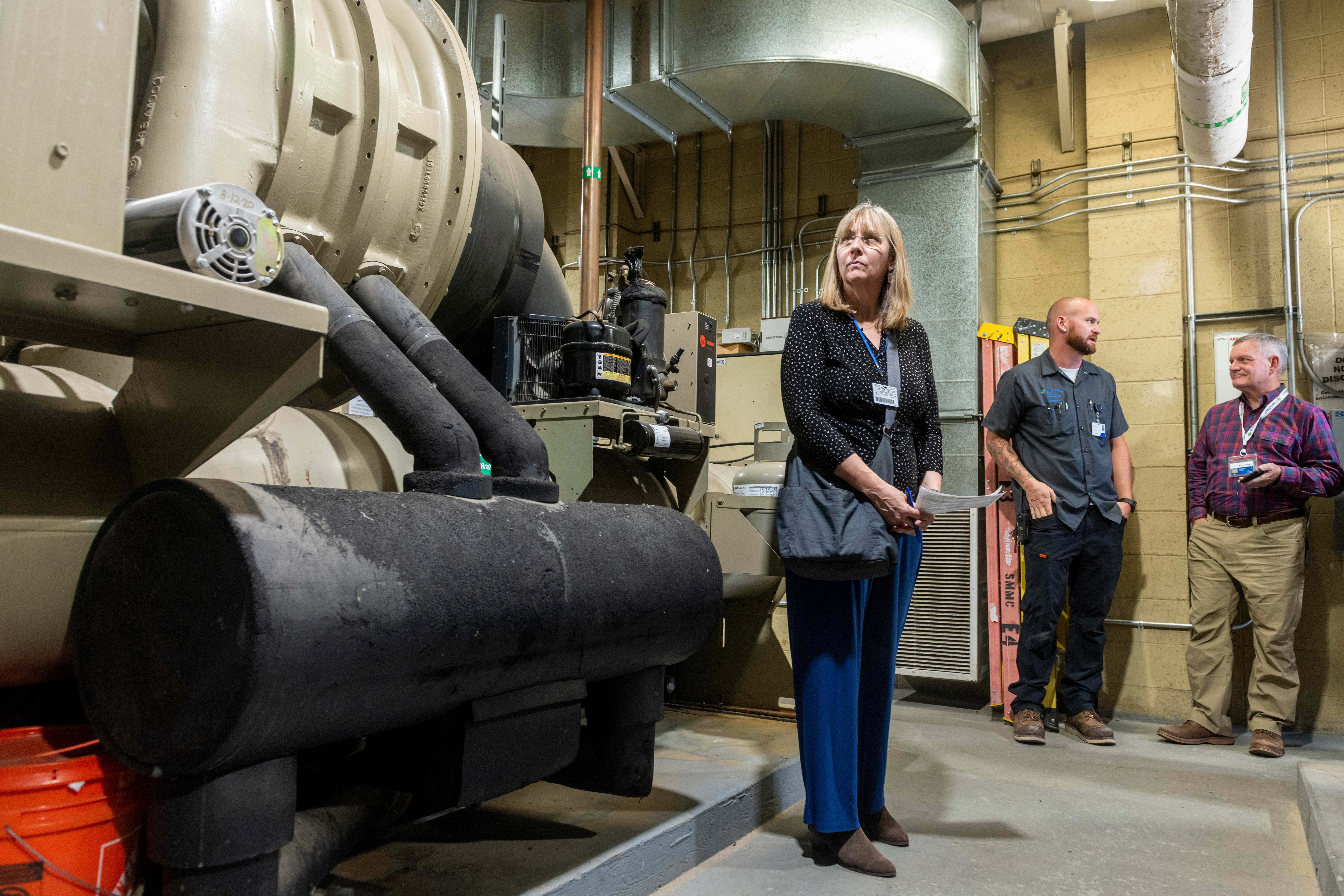
power plant at St. Mary Medical Center
“Do you have sufficient cooling capacity for a warming climate and anticipated future heat waves?” Glass said. “Is your cooling system served by a local emergency power system in case of a loss of power during the summer? If you were to lose your municipal water supply, is there a contingency plan in place to meet the high water demands of the building infrastructure, especially heating, sterilization and cooling?”
Providence's CRFAs help them answer these questions and create plans to address any resilience concerns.
Providence’s approach to climate resilience
Before Providence created its CRFAs, it introduced its Climate Resilience Plan in 2023. Within it are four priorities:
- System Alignment and Accountability – Fully integrating Providence’s commitment to climate action and resilience into its integrated strategic and financial plan
- Clinical Care & Operations – Preparing caregivers to respond to needs of patients impacted by acute climate shocks or chronic climate stressors
- Critical Infrastructure – Identifying business continuity risk associated with climate and utility loss disruption
- Community Connections – Strengthening community partnerships to reduce these inequities and advance climate justice
This comprehensive approach has allowed Providence to implement numerous tactics to ensure its buildings can withstand weather events that put patients and communities at risk. The CRFAs are among the most successful tactics in that realm.
Glass helped craft the CRFAs using a Department of Health and Human Services template that was modified to meet the specific needs across Providence's footprint. While the template from HHS provided a strong foundation, each facility’s customized CRFA keeps the analysis efficient by only considering questions relevant to respective ecosystems.
Resources analyzed in the CRFAs include water supply and conservation, emergency power, heating, cooling and wildfire response, all of which are vital for healthcare. For Providence, that functionality is not a one-size-fits-all solution.
Accounting for Providence's various climates — and how they’re shifting
Providence operates in seven states: Alaska, California, Montana, New Mexico, Oregon, Texas and Washington. With this variance in geography, weather patterns and risks, every kind of weather event needs to be considered in facility resilience planning. A common trend across the world, however, is extreme heat, with it being far and away the deadliest weather instance in America.
“We’ve seen at least a 2-degree Celsius increase in much of our footprint over the past few centuries,” Glass said. "Many of these increases are in the Pacific Northwest, and Alaska is nearing a 2.5-degree increase. That amount is more notable than what it sounds like.
"We've also seen weather — like wind and ice storms — create power outages, but now we're seeing more common summertime outages due to wildfires prompting what are called public safety power outages. I've lived in Western Washington my whole professional career. Those outages always happened in the winter. Now we're seeing these wildfires and other climate events that are causing us to lose power in the heat of the summer.
“When I started my career, a summertime outage would have been unheard of in healthcare."
Learn more about Providence’s climate resilience work on the Providence Center for Environmental Stewardship


